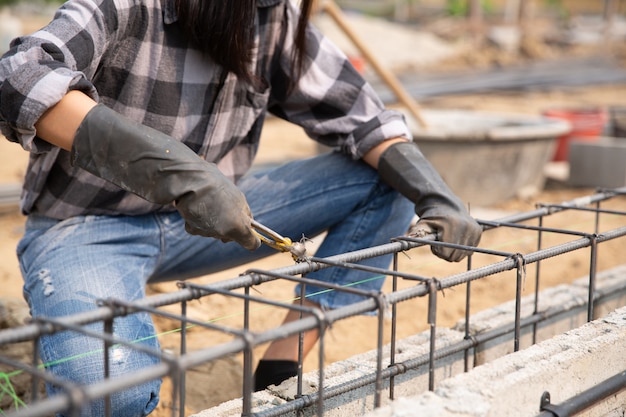
Transforming an outdoor area into a functional and aesthetically pleasing space can significantly enhance the value and enjoyment of a property. Stamped concrete patios offer an innovative and durable solution that combines the beauty of traditional paving materials with the practicality of concrete. This modern approach not only elevates the visual appeal of outdoor spaces but also provides a cost-effective alternative to natural stone, brick, or slate. Whether aiming to create a serene retreat or a vibrant entertainment area, stamped concrete can be customized to complement any design vision. For those seeking to enhance their outdoor space, understanding the benefits and process of stamped concrete patio installation is essential.
The Advantages of Stamped Concrete Patios
Stamped concrete patios deliver numerous benefits that make them a popular choice for homeowners and designers alike. Here are some key advantages:
- Versatility in Design: Stamped concrete can mimic the appearance of a wide range of materials such as stone, brick, wood, and more, offering diverse design possibilities.
- Cost-Effective: Compared to natural materials, stamped concrete is more affordable while offering similar aesthetic appeal.
- Durability and Longevity: Concrete is known for its resilience, making stamped patios highly durable and long-lasting.
- Low Maintenance: Unlike other materials that may require regular sealing or replacement, stamped concrete patios are easy to maintain.
- Quick Installation: The installation process is typically faster than that of natural stone or pavers, minimizing disruption to the property.
To fully appreciate these benefits, it’s helpful to discover expert strategies here on incorporating stamped concrete into outdoor designs.
Installation Process
Understanding the installation process can provide clarity and assurance when choosing stamped concrete for outdoor spaces. The typical process includes several key steps:
1. Preparation and Planning
Planning is critical to ensure the patio meets both functional and aesthetic goals. This phase involves:
- Assessing the site and preparing the ground to ensure a stable and level base.
- Choosing the design, patterns, and colors that align with the property’s overall theme.
- Obtaining any necessary permits or approvals required for the project.
For detailed guidance on planning, learn about our tailored solutions.
2. Pouring and Stamping
Once the groundwork is laid, the concrete is poured, smoothed, and stamped with the selected pattern:
- The mixture is poured into the prepared area and spread evenly.
- Stamps are applied to the surface before the concrete fully sets, creating the desired texture and pattern.
- Colors and sealants may be added to enhance the appearance and protect the surface.
To explore advanced guides and tips on achieving optimal results, explore advanced guides and tips.
3. Curing and Final Touches
Proper curing ensures the longevity and durability of the patio:
- Allowing adequate time for the concrete to cure and harden is crucial for strength.
- Final touches may include sealing the surface to protect against stains and weathering.
Find out more about this approach by visiting this resource.
Conclusion
Enhancing an outdoor space with a stamped concrete patio not only increases the property’s value but also enriches the lifestyle of those who enjoy it. By understanding the benefits and processes involved, homeowners can make informed decisions that align with their vision and budget. Whether the goal is to create a cozy backyard retreat or a sophisticated area for entertaining, stamped concrete offers a versatile and enduring solution. For further insights and professional advice, consider exploring the resources available here.