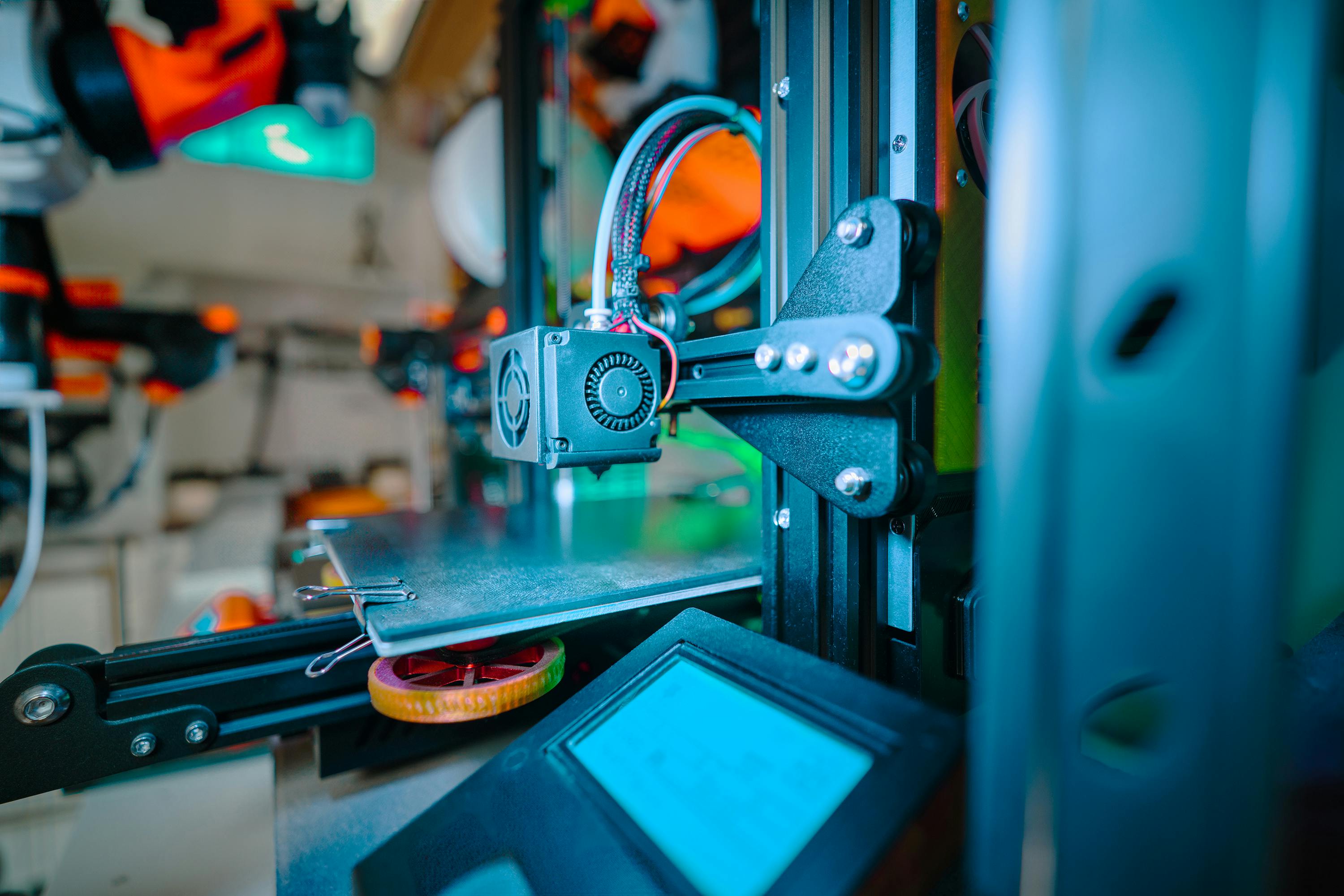
The manufacturing industry is witnessing a groundbreaking transformation with the advent of 3D steel printing technology. This innovation is poised to redefine how metal products are designed, prototyped, and manufactured. By leveraging the capabilities of 3D printing, manufacturers can achieve unprecedented levels of precision, efficiency, and customization. As industries continue to seek ways to optimize production processes while minimizing costs, 3D steel printing emerges as a game-changer, offering solutions that were previously unimaginable. The implications of this technology span various sectors, from aerospace and automotive to construction and healthcare, paving the way for a future where traditional manufacturing constraints are significantly reduced.
The Rise of 3D Steel Printing
The journey of 3D printing began with polymers and plastics, but the expansion into metals, particularly steel, marks a significant milestone. The capability to print with steel offers robust solutions that combine the strength and durability of metal with the intricate design possibilities provided by 3D printing.
Key Advantages
- Enhanced Design Flexibility: 3D steel printing allows for complex geometries that are difficult, if not impossible, to achieve with traditional manufacturing methods.
- Reduced Material Waste: Traditional manufacturing often involves cutting away excess material, whereas 3D printing adds material layer by layer, significantly reducing waste.
- Faster Prototyping: Rapid prototyping capabilities enable quicker iteration and testing of designs, accelerating the product development cycle.
- Customization: Tailored solutions can be produced without the need for expensive tooling or molds, allowing for personalized products at scale. Learn about our tailored solutions.
Applications Across Industries
The versatility of 3D steel printing opens doors to a multitude of applications across various industries. Its integration into the production line offers enhanced capabilities that cater to specific sector needs.
Aerospace and Automotive
In aerospace and automotive industries, the demand for lightweight and strong components is paramount. 3D steel printing provides the ability to create parts that meet these criteria while also allowing for intricate cooling channels and other features that improve performance. Discover expert strategies here.
Construction
The construction sector benefits from 3D steel printing through the production of complex structural components and architectural elements. This technology enables the creation of bespoke designs that are cost-effective and sustainable. Find out more about this approach.
Healthcare
In healthcare, custom surgical instruments and implants can be manufactured to exact specifications, enhancing the effectiveness of medical procedures and patient outcomes. The ability to create patient-specific solutions is a significant advancement in personalized medicine. Explore advanced guides and tips.
Challenges and Future Prospects
Despite its many advantages, 3D steel printing faces challenges such as the high cost of equipment and materials, as well as the need for skilled operators. However, as the technology matures and adoption increases, these barriers are expected to decrease, making it more accessible to a broader range of businesses.
The future of 3D steel printing is promising, with continuous advancements in technology and materials science. As more industries recognize the potential of this transformative technology, it’s anticipated that 3D steel printing will become a cornerstone of modern manufacturing, leading to innovations that were once beyond reach. For more insights, explore advanced guides and tips.