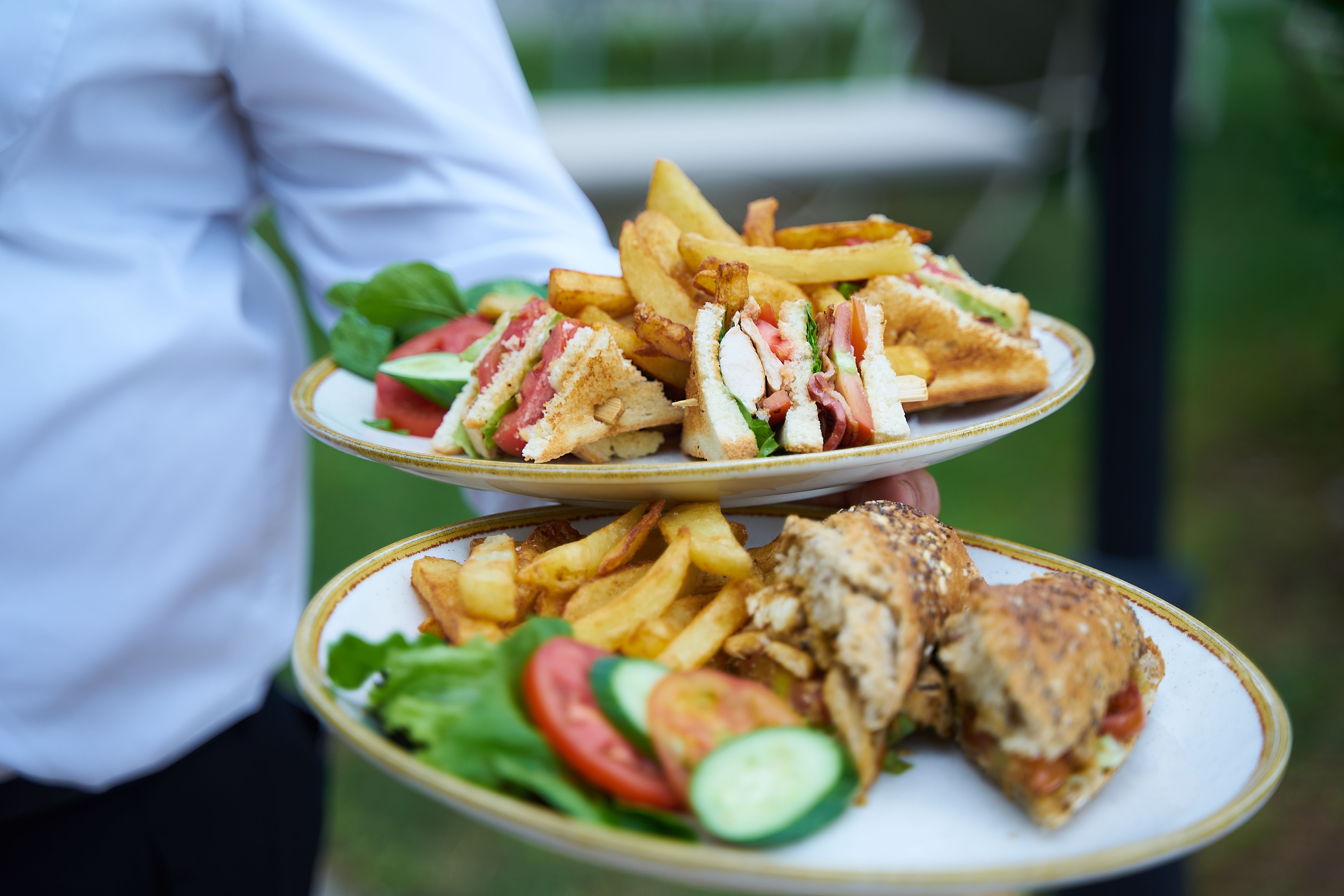
Cuban cuisine is a vibrant tapestry of flavors, aromas, and colors that reflect the rich cultural heritage of the Caribbean island. Influenced by Spanish, African, and indigenous Taino culinary traditions, this unique blend of ingredients and cooking techniques creates a dining experience that is both comforting and exotic. From the savory ropa vieja to the sweet and creamy tres leches cake, Cuban food invites you to embark on a culinary journey like no other. Understanding the intricacies of these dishes can provide deeper insights into Cuba?s history and its people?s way of life.
The Heart of Cuban Cuisine
Staple Ingredients
The foundation of Cuban cuisine lies in its staple ingredients that are used in a variety of dishes. Key components include:
- Rice and beans – often served together as a dish called “Moros y Cristianos.”
- Plantains – both ripe and green, prepared in numerous ways such as tostones or maduros.
- Pork – a favored protein, frequently marinated and slow-cooked for dishes like lech?n asado.
- Citrus fruits – primarily lime and orange, used to marinate meats and add zest to dishes.
For a deeper dive into the essential ingredients and their cultural significance, explore advanced guides and tips on the traditional Cuban pantry.
Signature Dishes
Cuban cuisine is renowned for its signature dishes, each with a story to tell. Some of the most celebrated include:
- Ropa Vieja: A hearty beef stew, slow-cooked with tomatoes, bell peppers, and spices, representing the heart of Cuban home-cooking.
- Picadillo: A ground beef dish flavored with olives, raisins, and capers, often served with white rice.
- Arroz con Pollo: A savory chicken and rice dish, infused with saffron and peas, a staple at family gatherings.
To experience these dishes authentically, discover expert strategies here for preparing them with traditional methods.
Cuban Desserts: A Sweet Finish
No Cuban meal is complete without indulging in its delightful desserts. These sweet treats are a testament to the island’s love for sugar and creativity:
- Tres Leches Cake: A decadent sponge cake soaked in three kinds of milk, resulting in a rich and moist dessert.
- Bu?uelos: Fried dough balls, often drizzled with anise-flavored syrup, perfect for special occasions.
- Flan: A creamy caramel custard, served chilled and a staple at any Cuban table.
For more on these tempting desserts, find out more about this approach to creating authentic Cuban sweets.
The Cultural Context of Cuban Cuisine
Cuban cuisine is not just about taste; it?s an integral part of the island’s cultural identity. It reflects the resilience, creativity, and warmth of its people. Meals are often communal events, bringing family and friends together to share food and stories.
Understanding the cultural context can enhance your appreciation of Cuban food. Learn about our tailored solutions for incorporating Cuban culinary traditions into modern dining experiences.
Conclusion
Savoring the flavors of Cuban cuisine is more than just a culinary adventure; it’s a gateway into the vibrant culture and traditions of Cuba. Whether you’re enjoying a hearty stew or a sweet dessert, each dish tells a story of the island’s past and present. To truly appreciate the depth of Cuban flavors, consider exploring these dishes through reliable sources and authentic recipes. Explore advanced guides and tips to elevate your understanding and enjoyment of this remarkable cuisine.