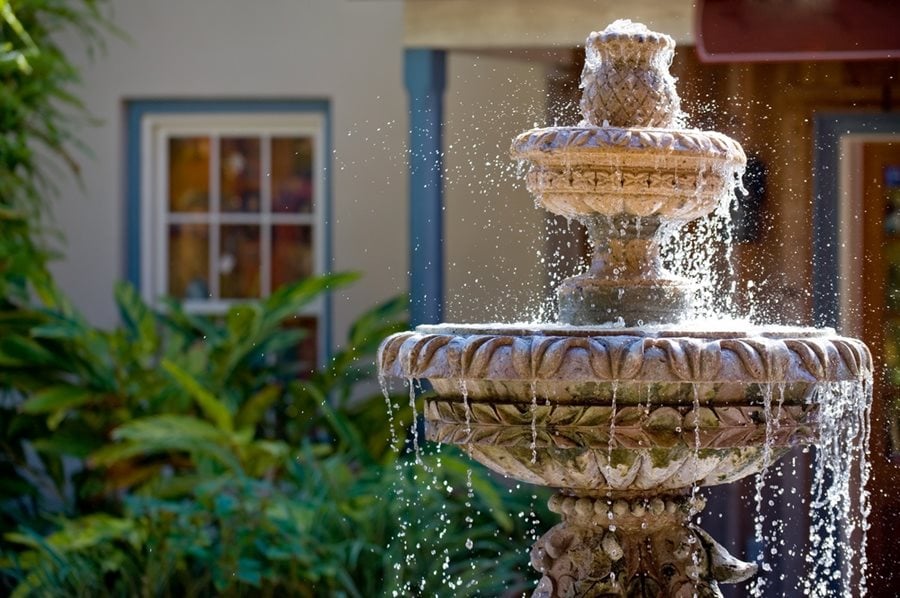
Installing a custom water feature can significantly enhance the aesthetic appeal and ambiance of any property. Whether it’s a sprawling estate, a cozy backyard, or a corporate space, a well-designed water feature serves as a focal point that can transform an ordinary setting into a serene retreat. However, choosing the right water feature requires careful consideration of various factors to ensure that it complements the existing landscape and satisfies personal preferences.
Understanding the Purpose of Your Water Feature
Before diving into design options, it is essential to determine the primary purpose of the water feature. Consider the following objectives:
- Visual Appeal: Enhance the overall look of the property with a stunning centerpiece.
- Sound: Create a tranquil atmosphere with the soothing sound of flowing water.
- Wildlife Attraction: Encourage birds and other wildlife to visit by providing a water source.
- Environmental Impact: Use features like rainwater harvesting systems to promote sustainability.
Understanding these objectives will guide the selection process, ensuring that the feature meets both aesthetic and functional needs.
Assessing the Available Space
The size and layout of the available space are critical factors when selecting a custom water feature. Considerations include:
- Dimensions: Measure the area to determine the appropriate scale and proportion of the feature.
- Location: Decide on a location that enhances visibility and accessibility without obstructing pathways or views.
- Integration: Ensure the feature complements the existing landscape, architecture, and outdoor elements.
Proper planning and assessment of the space guarantee that the water feature fits seamlessly into the environment.
Exploring Design Options
Types of Water Features
There are various types of water features to consider, each offering distinct characteristics:
- Fountains: Ideal for both large and small spaces, fountains range from simple designs to elaborate sculptures.
- Ponds: Natural-looking water bodies that can accommodate aquatic plants and fish.
- Waterfalls: Provide dynamic movement and sound, often integrated with rocks and plants.
- Streams: Meandering watercourses that mimic natural waterways, perfect for expansive landscapes.
Selecting the right type depends on the desired aesthetic and functional goals.
Considering Maintenance and Sustainability
Maintenance is a crucial aspect of owning a water feature. Here are some tips to ensure easy upkeep and sustainability:
- Material Selection: Choose durable materials that withstand weather conditions and require minimal maintenance.
- Filtration Systems: Implement efficient filtration to keep the water clean and reduce algae growth.
- Water Conservation: Opt for features that utilize recirculating systems to conserve water.
- Eco-Friendly Options: Consider solar-powered pumps or natural filtration systems to minimize environmental impact.
Planning for maintenance ensures the water feature remains a long-lasting and sustainable asset.
Budgeting for Your Water Feature
Budget considerations are essential to ensure that the project remains financially feasible. Key points include:
- Initial Costs: Factor in design, materials, and installation expenses.
- Long-Term Costs: Consider future maintenance, repair, and operational costs.
- Value Addition: Evaluate how the water feature will add value to the property in terms of aesthetics and marketability.
Setting a realistic budget aligns expectations with possibilities, ensuring satisfaction with the final result.
In conclusion, selecting the perfect custom water feature involves careful consideration of purpose, space, design, maintenance, and budget. By understanding and addressing these factors, property owners can create a captivating and harmonious outdoor environment that enhances the beauty and tranquility of their space.