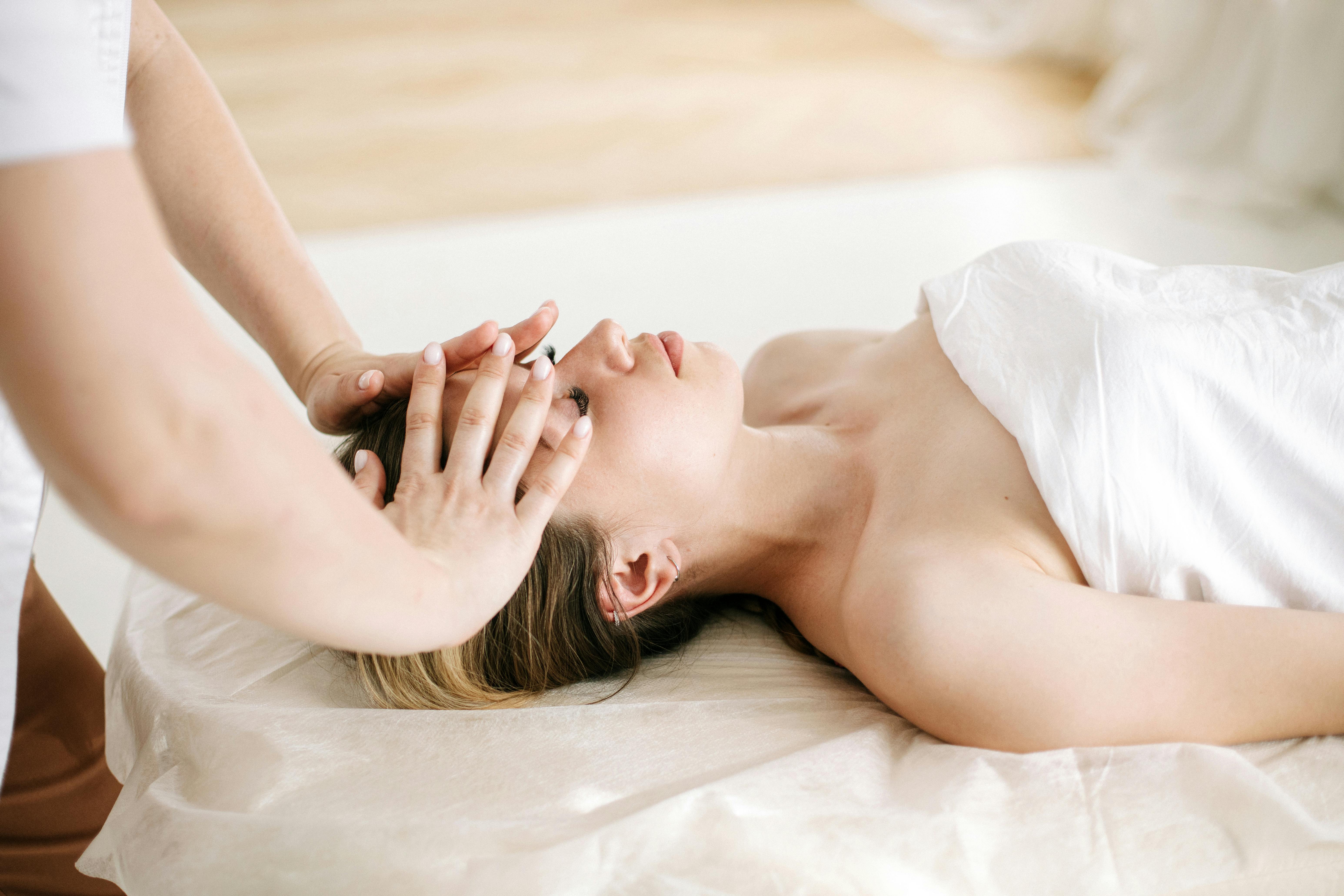
Stress has become an inevitable part of modern life, affecting both mental and physical health. Whether it’s due to work pressure, personal life challenges, or global events, the impact of stress can be overwhelming. Stress relief therapy offers a path to regaining balance and improving overall well-being. This article explores various aspects of stress relief therapy, from understanding its benefits to exploring different techniques that can be integrated into daily life.
Understanding Stress Relief Therapy
Stress relief therapy encompasses a range of practices and techniques designed to reduce stress levels and enhance relaxation. It recognizes the multifaceted nature of stress and seeks to address both its physical and psychological components.
Benefits of Stress Relief Therapy
- Reduces anxiety and depression
- Improves sleep quality
- Enhances focus and concentration
- Boosts the immune system
- Promotes a sense of well-being and calmness
These benefits are not just theoretical; they are backed by extensive research and clinical practice. For those interested in deepening their understanding, discover expert strategies here to explore how these therapies can be applied effectively.
Popular Stress Relief Techniques
There are numerous techniques within the realm of stress relief therapy, each offering unique benefits and approaches. Here are some of the most effective ones:
Mindfulness Meditation
Mindfulness meditation focuses on being present in the moment, acknowledging thoughts and feelings without judgment. This practice can significantly reduce stress by promoting a deeper connection with the present.
To get started, find a quiet space, sit comfortably, and focus on your breath. Consistency is key, and many find that even a few minutes a day can make a significant difference. Explore advanced guides and tips to learn more about incorporating mindfulness into daily routines.
Guided Imagery
Guided imagery involves visualizing calming and peaceful scenarios, which can help the mind relax and ease stress. This technique often involves listening to a script or recording that guides the imagination through a serene journey.
For those new to this practice, it can be beneficial to find out more about this approach and explore resources that provide structured guidance.
Progressive Muscle Relaxation
This technique involves tensing and then slowly releasing each muscle group, promoting physical relaxation and reducing tension. It’s particularly useful for those who experience physical manifestations of stress, such as muscle tightness or headaches.
Learning the proper technique is crucial for effectiveness. Learn about our tailored solutions for mastering progressive muscle relaxation.
Integrating Stress Relief into Daily Life
Incorporating stress relief practices into daily routines doesn’t have to be complicated. Simple adjustments can lead to profound changes:
- Set aside time each day for relaxation exercises.
- Practice deep breathing techniques during stressful moments.
- Engage in regular physical activity to release endorphins.
- Adopt healthy sleep habits to ensure adequate rest.
- Maintain a balanced diet to support overall health.
These lifestyle changes can complement formal stress relief therapy sessions. For more insights, discover expert strategies here to help seamlessly incorporate these practices into everyday life.
Stress relief therapy provides invaluable tools for navigating the challenges of life. By understanding and applying these techniques, individuals can cultivate resilience and foster a healthier, more balanced lifestyle.