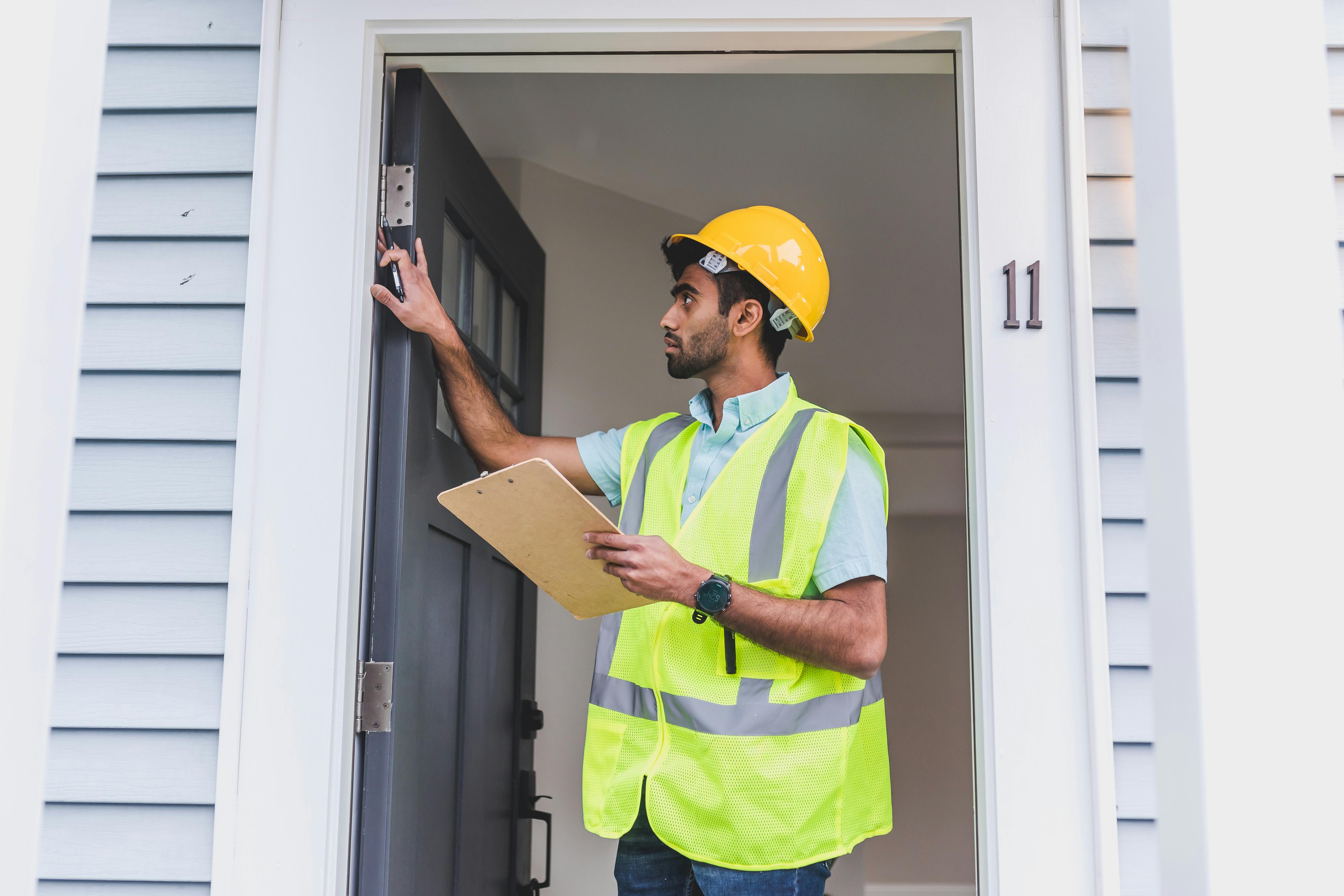
Comprehensive property safety inspections play a vital role in ensuring that buildings and their facilities are safe, functional, and compliant with regulatory standards. These inspections cover a wide range of areas, including structural integrity, electrical systems, plumbing, fire safety, and more. By conducting thorough assessments, potential hazards can be identified and rectified before they escalate into major issues. Whether for residential, commercial, or industrial properties, the focus remains on safeguarding human life, preserving property value, and minimizing liability risks.
Key Components of Property Safety Inspections
Structural Integrity
Inspecting the structural components of a building is crucial to ensure its stability and safety. This includes assessing the foundation, walls, roof, and load-bearing elements. Structural inspections aim to detect issues such as cracks, water damage, and signs of wear and tear that could compromise the building’s integrity.
- Foundation checks for cracks and uneven settling.
- Examination of walls and supporting beams for damage.
- Roof inspections for leaks, damage, and proper drainage.
Read more about this topic to understand the importance of structural inspections.
Electrical Systems
Ensuring that the electrical systems within a property are safe and functional is a critical aspect of property safety inspections. Faulty wiring or outdated electrical panels can pose serious fire hazards.
- Inspection of wiring for wear and potential fire risks.
- Testing of electrical panels and circuit breakers.
- Assessment of lighting and power outlets for safety compliance.
For a deeper understanding of electrical safety checks, learn more in this detailed guide.
Plumbing Systems
Plumbing inspections focus on identifying leaks, blockages, and other issues that could lead to water damage or inefficiency.
- Assessment of pipes and fixtures for leaks and corrosion.
- Inspection of water heaters and other appliances for safety and efficiency.
- Checking drainage systems for blockages and proper function.
Explore further insights here on maintaining plumbing systems effectively.
Fire Safety Assessments
Fire safety is a paramount concern within any property. Inspections in this area aim to ensure that all fire safety equipment is functional and that the building complies with local fire codes.
- Evaluation of fire alarms and smoke detectors.
- Inspection of fire extinguishers and sprinkler systems.
- Review of emergency exits and escape routes for accessibility and effectiveness.
Find additional information here about comprehensive fire safety protocols.
Benefits of Regular Safety Inspections
Conducting regular safety inspections offers numerous benefits beyond just compliance. It enhances the safety and security of the occupants, extends the lifespan of property components, and can even lead to cost savings by preventing large-scale repairs.
- Improved safety and peace of mind for occupants.
- Early detection and resolution of potential issues.
- Compliance with local and national safety regulations.
- Potentially lower insurance premiums due to reduced risks.
Conclusion
Regular, comprehensive property safety inspections are essential for maintaining the safety, functionality, and value of any property. By focusing on key areas such as structural integrity, electrical and plumbing systems, and fire safety, property owners and managers can ensure a safe environment for all occupants while also protecting their investment. For more detailed insights into property safety inspections, explore further insights here.