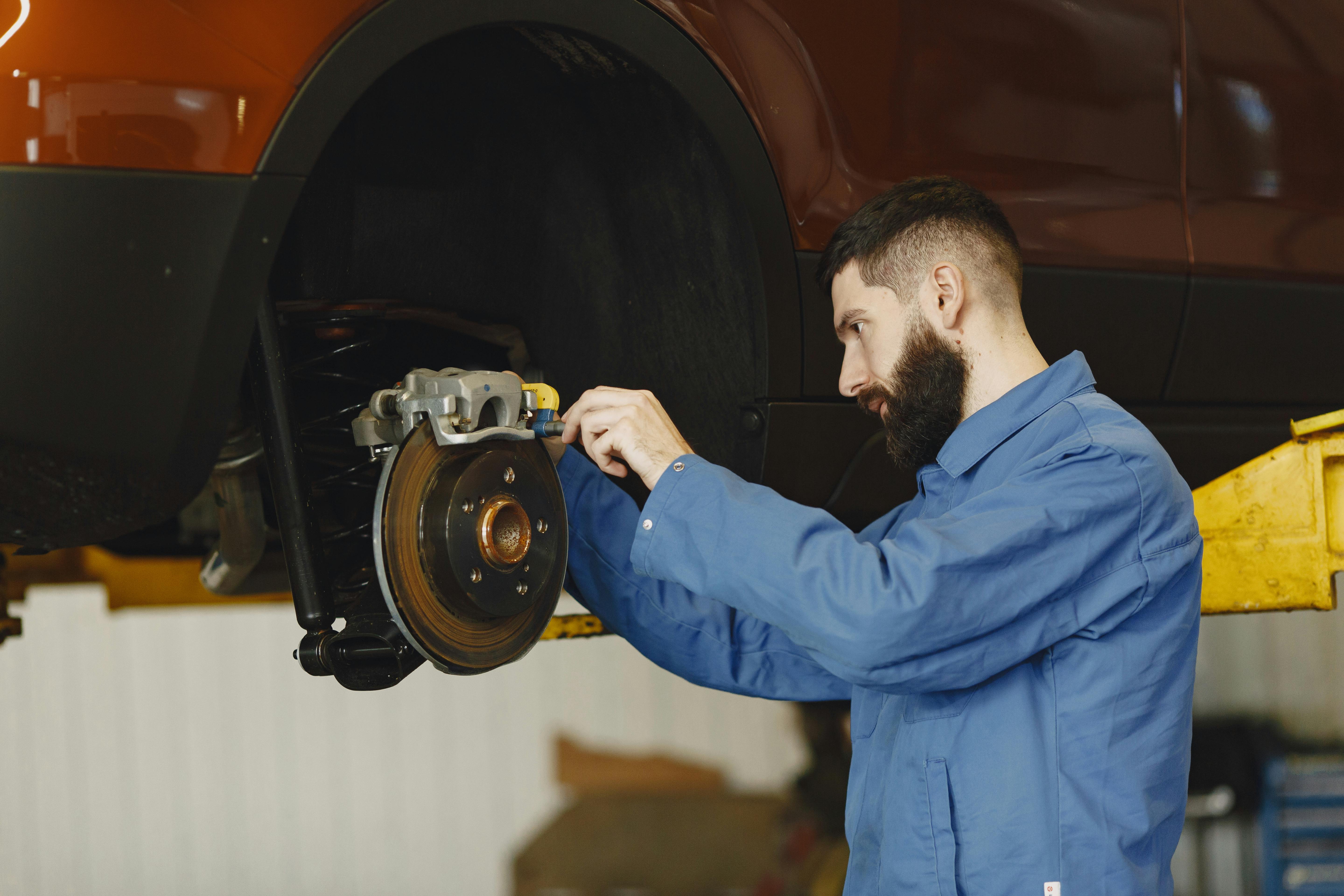
The automotive suspension and steering systems play a crucial role in ensuring a vehicle’s smooth operation and safety. These systems work together to absorb shocks from the road, maintain vehicle control, and provide a comfortable ride. However, like any mechanical component, they can develop issues over time, affecting performance and safety. Troubleshooting and repairing these systems require a methodical approach to diagnose and address problems effectively. This article provides a comprehensive guide to identifying and resolving common issues related to automotive suspension and steering repairs.
Understanding Suspension and Steering Systems
Before diving into troubleshooting, it’s essential to understand the basic components and functions of suspension and steering systems.
Key Components of Suspension Systems
– **Springs**: Help absorb and distribute shocks from the road.
– **Shock Absorbers/Struts**: Control the spring movements and prevent excessive bouncing.
– **Control Arms**: Connect the wheels to the vehicle’s frame and allow for controlled movement.
– **Bushings and Joints**: Provide flexibility and cushioning between metal parts.
Key Components of Steering Systems
– **Steering Wheel**: The interface for the driver to control the vehicle’s direction.
– **Steering Column**: Connects the steering wheel to the steering mechanism.
– **Rack and Pinion or Steering Gearbox**: Converts the rotational motion of the steering wheel into the linear motion needed to turn the wheels.
– **Tie Rods**: Connect the steering mechanism to the wheels, allowing for directional change.
Common Suspension and Steering Problems
Issues in suspension and steering systems can manifest in various ways. Recognizing these signs early can prevent further damage and ensure safety.
Signs of Suspension Problems
– Uneven tire wear
– Excessive bouncing after hitting a bump
– Pulling to one side while driving
– Noises such as clunking or squeaking from the vehicle’s underside
Signs of Steering Problems
– Difficulty in steering or stiff steering wheel
– Vehicle wandering or pulling to one side
– Unusual noises when turning the steering wheel
– Steady vibrations in the steering wheel while driving
Troubleshooting Tips for Suspension and Steering
Conducting a systematic check can help pinpoint the root cause of the problems. Here are some helpful tips:
Inspecting Suspension Components
– **Visual Inspection**: Check for visible damage, leaks, or wear on springs, shocks, and struts.
– **Bounce Test**: Push down on each corner of the vehicle and observe how it rebounds. Excessive bouncing indicates worn shock absorbers.
– **Tire Examination**: Look for uneven wear patterns that may indicate alignment issues or worn suspension components.
Evaluating Steering Components
– **Steering Wheel Check**: Ensure the wheel moves smoothly without resistance or unusual noises.
– **Alignment Test**: Evaluate if the vehicle pulls to one side, which could suggest misalignment or steering issues.
– **Noise Analysis**: Listen for clicking or grinding noises when turning the wheel, which may indicate worn joints or bearings.
Steps to Resolve Issues
Once you’ve identified the problem, repairs or replacements may be necessary. Here are some steps to consider:
– **Replace Worn Parts**: If components like shocks, struts, or bushings are worn, replacing them can restore functionality.
– **Realign Wheels**: If misalignment is detected, a professional alignment service can correct it.
– **Fluid Check**: Ensure that steering fluid levels are adequate and free from leaks.
– **Professional Diagnosis**: For persistent issues, consulting a professional mechanic can provide [additional insights](https://www.genesisautoworks.com.au/) into complex problems.
Conclusion
Troubleshooting automotive suspension and steering repairs requires careful examination and understanding of the systems involved. By recognizing the signs of common issues and following a structured approach to diagnosis and repair, drivers can maintain their vehicle’s performance and safety. For continuous learning and detailed guides on this topic, [explore further insights here](https://www.genesisautoworks.com.au/). Keeping up with regular maintenance and addressing issues promptly will ensure a smoother and safer driving experience.