Chronic diseases, such as diabetes, hypertension, and cardiovascular conditions, are among the leading causes of mortality and morbidity worldwide. The importance of early detection through comprehensive screening cannot be overstated. Detecting these conditions in their early stages can significantly improve management outcomes and enhance the quality of life for individuals. Chronic disease screening plays a crucial role in identifying potential health risks before they become severe, enabling timely intervention and management.
The Importance of Early Detection
Early detection of chronic diseases can lead to better health outcomes. By identifying diseases in their nascent stages, individuals can take proactive steps to manage their health. Early detection:
- Allows for timely intervention, which can prevent the progression of the disease.
- Helps in reducing the risk of complications associated with chronic conditions.
- Improves treatment effectiveness and increases survival rates.
- Enables lifestyle modifications that can mitigate health risks.
Screening Methods and Technologies
Various screening methods are employed to detect chronic diseases early. These methods are constantly evolving, owing to advancements in medical technology. Some common screening techniques include:
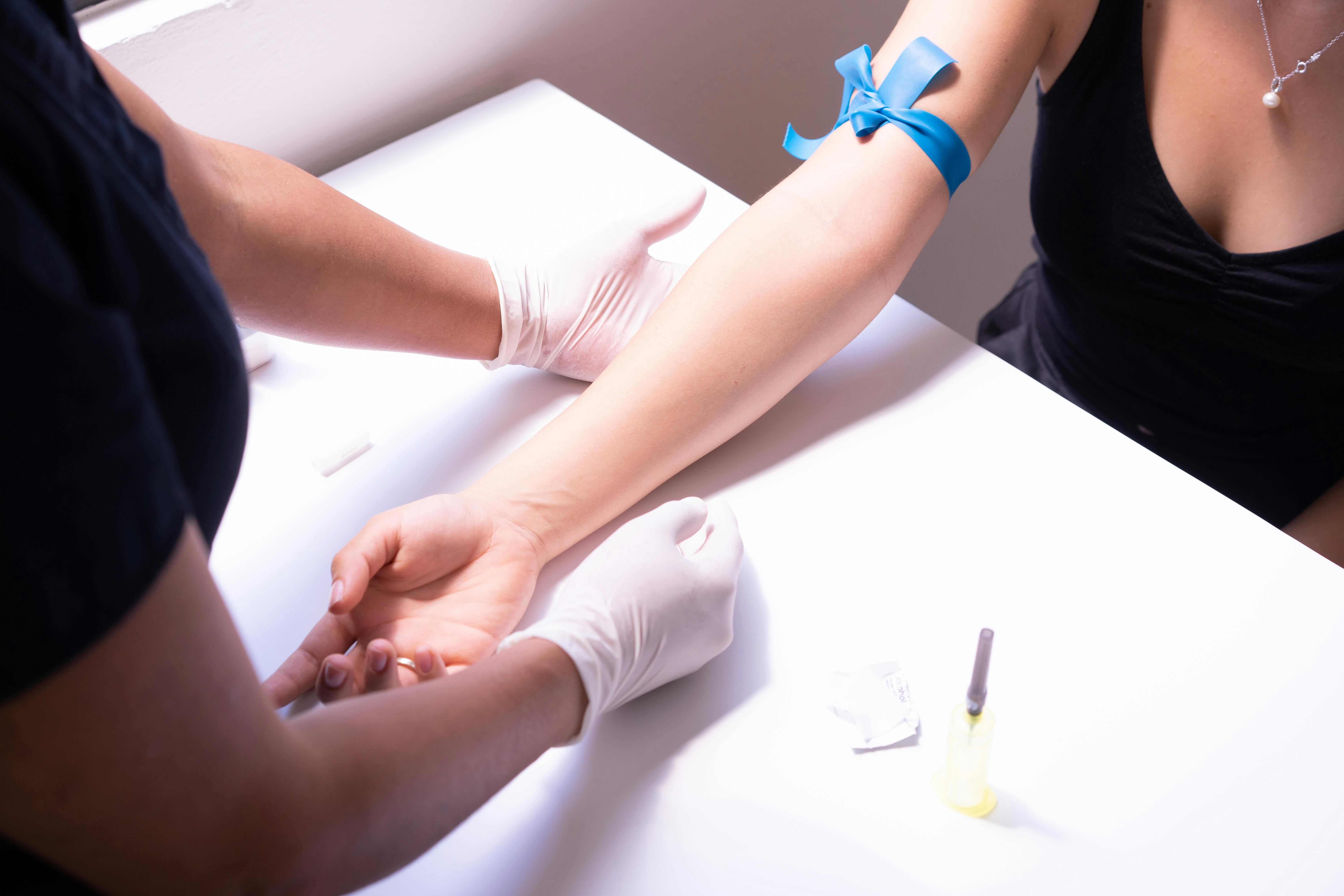
- Blood tests to monitor glucose levels, cholesterol, and other biomarkers.
- Blood pressure measurements for hypertension detection.
- Imaging tests such as X-rays or MRIs to identify physical anomalies.
- Electrocardiograms (ECGs) to assess heart health.
In regions like Singapore, Chronic Disease Screening Singapore utilizes state-of-the-art technology to ensure accurate and early diagnosis.
Benefits of Regular Screening
Regular screening is not just about detecting diseases; it is a comprehensive approach to maintain overall health and wellbeing. The benefits include:
- Peace of mind from knowing one’s health status.
- Cost-effective management of health by preventing severe complications.
- Personalized healthcare plans based on individual risk factors.
- Identification of risk factors that could lead to chronic diseases.
Utilizing chronic disease screening as part of routine healthcare can help individuals stay informed and proactive about their health.
Challenges and Considerations
Despite the clear benefits, some challenges and considerations need addressing to optimize screening processes:
- Ensuring accessibility and affordability of screening services for all populations.
- Educating individuals on the importance of regular health check-ups.
- Overcoming the stigma or fear associated with medical tests and results.
- Integrating new technologies while maintaining patient privacy and data security.
Future of Chronic Disease Screening
The future of chronic disease screening promises to be more personalized and precise. With the integration of artificial intelligence and machine learning, predictive analytics can enhance early detection accuracy. As healthcare systems worldwide strive to become more patient-centric, the role of technology will be pivotal in shaping the future of disease prevention and management.
In conclusion, early detection through chronic disease screening is a cornerstone of preventive healthcare. By embracing regular screening and staying informed, individuals can significantly enhance their health outcomes and lead healthier lives.