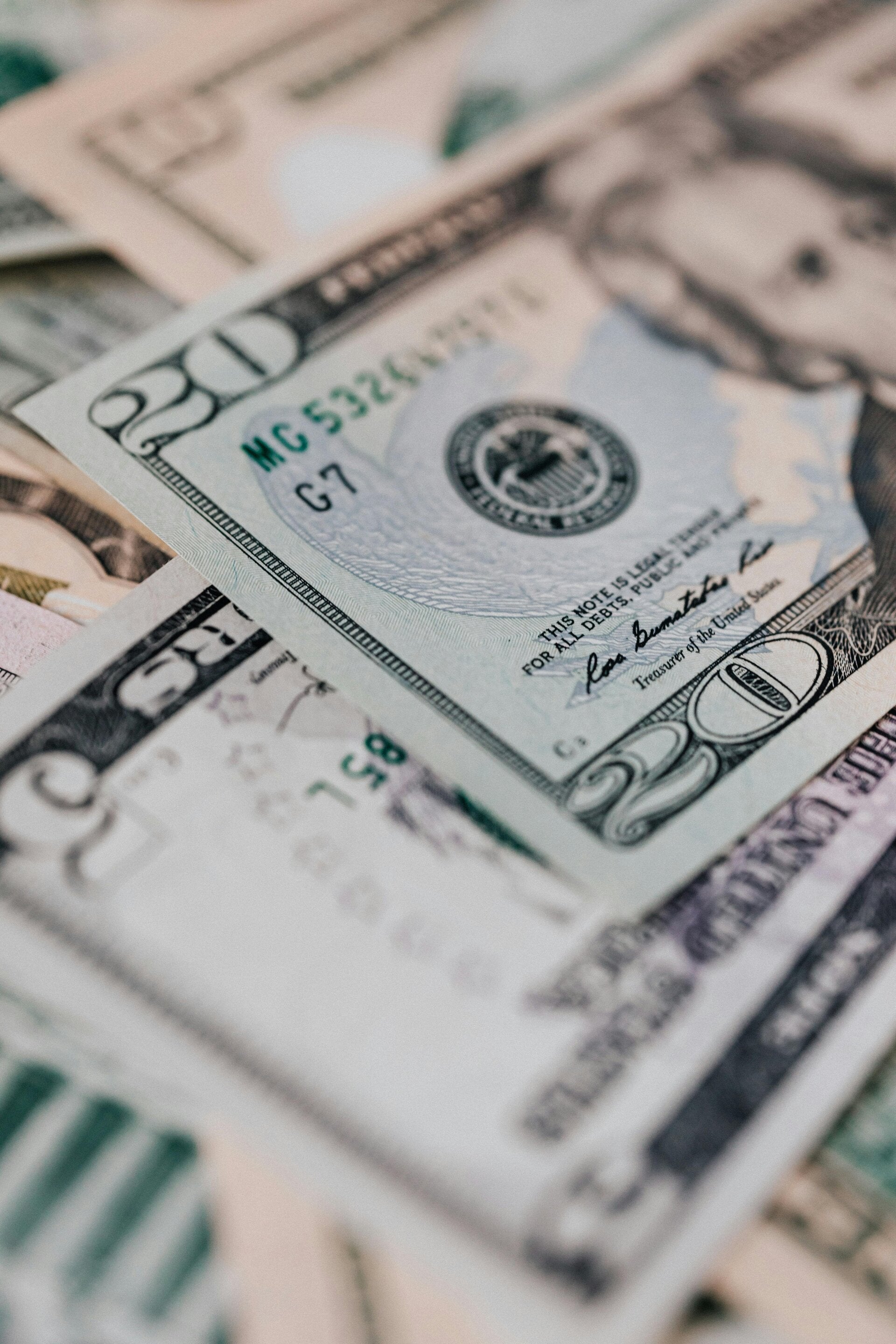
Collecting dollar notes can be a fascinating and rewarding hobby, offering insights into the history, art, and culture of the United States. As the world shifts towards digital transactions, the tangible allure of paper currency grows even stronger for collectors. Whether you’re a novice or an experienced numismatist, understanding the basics of building a dollar note collection can enhance appreciation and ensure the acquisition of valuable pieces.
The Significance of Dollar Notes in Collecting
The United States dollar is not only a globally recognized currency but also a piece of history. Each note carries stories of economic shifts, cultural changes, and artistic evolution. Collecting these notes can preserve a piece of this rich history.
Why Collect Dollar Notes?
- Historical Value: Each series and denomination reflects a specific era in American history.
- Artistic Appeal: The intricate designs and engravings showcase the craftsmanship of different periods.
- Investment Potential: Rare and well-preserved notes can increase in value over time.
Getting Started with Your Collection
Embarking on a dollar note collection journey requires a basic understanding of the types of notes and their features. Familiarizing oneself with these aspects can guide the initial steps of collecting.
Types of Dollar Notes
- Federal Reserve Notes: The most common type in circulation today, issued since 1914.
- Silver Certificates: Issued between 1878 and 1964, these notes were once redeemable for silver coins or bullion.
- Gold Certificates: Printed between 1863 and 1933, these notes were exchangeable for gold coin.
- United States Notes: Also known as Legal Tender Notes; they were first introduced in 1862.
Identifying Valuable Notes
The value of a collectible US currency note depends on several factors, including rarity, condition, and historical significance. Here are key identifiers:
- Serial Numbers: Unique or low serial numbers can increase a note’s value.
- Printing Errors: Misprints or unique printing anomalies can make a note highly sought after.
- Condition: Notes in pristine condition, often graded by third-party agencies, are more valuable.
Building and Preserving Your Collection
Once initial notes are acquired, maintaining and expanding the collection becomes the focus. Proper care ensures longevity and potential appreciation in value.
Storage and Preservation
- Use Currency Holders: Store notes in acid-free holders to prevent deterioration.
- Avoid Direct Sunlight: Exposure to light can fade the inks on the notes.
- Control Humidity: Store notes in a climate-controlled environment to avoid moisture damage.
Expanding Your Collection
Expanding a collection involves more than just acquiring more notes. It”?s about strategic selection and understanding market trends. Engaging with fellow enthusiasts and experts can offer insights into current trends and opportunities to buy dollar bills that are in demand.
- Attend Shows and Auctions: These venues provide access to rare notes and expert advice.
- Join Collecting Clubs: Networking with other collectors can provide valuable insights and trade opportunities.
- Research and Education: Stay informed about market trends and historical contexts.
Collecting dollar notes is both an art and a science, requiring passion, knowledge, and patience. By understanding the historical context, identifying valuable notes, and learning how to maintain them, collectors can build a rewarding portfolio that not only preserves history but may also yield financial returns. As the interest in tangible assets grows, so does the allure of a well-curated dollar note collection.