Selecting the appropriate low voltage switchboard is a crucial step in ensuring the efficient and safe operation of an electrical system. With a myriad of options available in the market, understanding the characteristics and specifications that meet your specific needs is essential. This article aims to guide you through the process of choosing the right low voltage switchboard, covering essential factors to consider and offering insights into the latest developments in the field.
Understanding Your Electrical System Requirements
Before diving into the selection process, it is vital to understand the specific requirements of your electrical system. This understanding will serve as the foundation for determining the suitable switchboard type. Key factors to consider include:
- Load Capacity: Assess the total load that the switchboard needs to support. This includes both the current and future load that might be added, ensuring ample capacity.
- Voltage Level: Identify the voltage level at which the system operates, as switchboards are designed to handle specific voltage ranges.
- Environmental Conditions: Consider the environment where the switchboard will be installed. This includes temperature, humidity, and potential exposure to corrosive substances.
For more detailed guidance on assessing your system’s requirements, learn more in this detailed guide.
Types of Low Voltage Switchboards
Low voltage switchboards come in various types, each designed to cater to different applications and environments. Understanding these types can help in making an informed decision:
Fixed Type Switchboards
Fixed type switchboards are commonly used in applications where the components are not frequently changed. They are known for their robustness and cost-effectiveness. However, maintenance can be challenging as it requires system downtime.
Withdrawable Type Switchboards
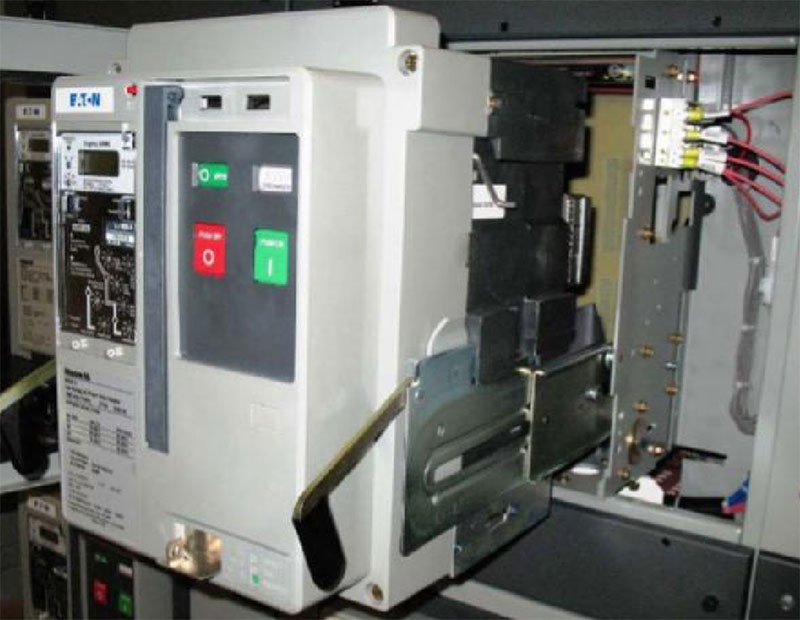
These switchboards are designed for ease of maintenance and component replacement. They allow for sections to be withdrawn from the main board, facilitating quick repairs and upgrades without significant downtime. Explore further insights here.
Safety and Compliance Standards
Ensuring the switchboard meets industry safety and compliance standards is non-negotiable. Standards such as IEC 61439 for low voltage switchgear and controlgear assemblies, and local electrical codes, must be adhered to. This ensures not only safety but also reliability and efficiency.
- Certification: Ensure that the switchboard is certified by recognized bodies, confirming adherence to international and local standards.
- Testing: Verify that the switchboard has undergone thorough testing for electrical and mechanical performance.
For more information on safety standards and compliance, find additional information here.
Future-Proofing Your Investment
Investing in a low voltage switchboard is a significant decision, and ensuring its long-term viability is crucial. Consider the following for future-proofing your investment:
- Scalability: Choose a switchboard that can accommodate future expansions and increased load demands.
- Technological Advancements: Opt for switchboards that integrate the latest technologies, offering enhanced monitoring and control capabilities.
To read more about this topic, consider reviewing comprehensive resources that delve into future-proofing strategies and technological advancements in switchboard design.
In conclusion, selecting the right low voltage switchboard requires careful consideration of your system’s requirements, compliance with safety standards, and planning for future needs. By understanding these factors and exploring various options, you can make an informed decision that ensures the efficiency and safety of your electrical system.