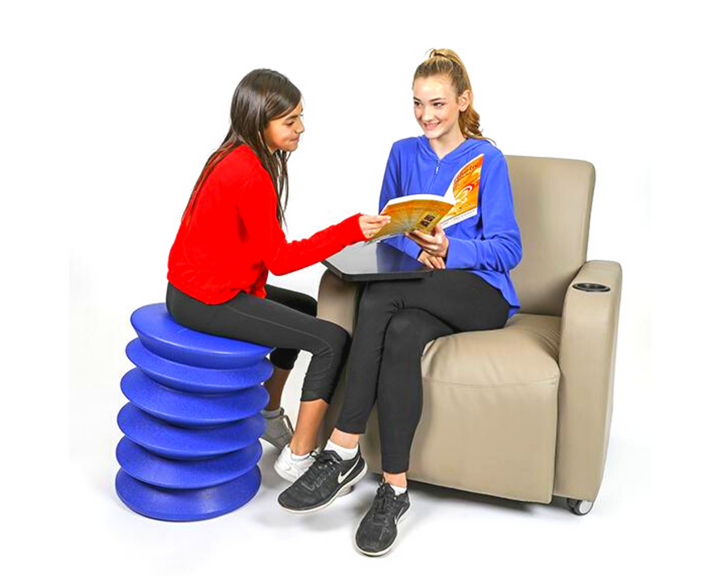
Creating an optimal learning environment is pivotal in fostering student success. As educational paradigms evolve, so too do the approaches to classroom seating arrangements. Traditional seating can often impede comfort and focus, which are critical for cognitive engagement and learning retention. Innovative seating solutions, such as seat cushion floor options, have emerged as a transformative approach to enhancing student comfort and focus. These flexible seating solutions not only accommodate diverse learning styles but also foster an inclusive and dynamic learning atmosphere.
The Importance of Comfort in Learning Environments
Comfort is a key factor in maintaining student attention and promoting a positive attitude towards learning. Traditional rigid seating can lead to discomfort and distraction, hindering students’ ability to concentrate. By integrating seat cushion floor options, educational spaces can be tailored to meet the ergonomic needs of students, facilitating improved posture and reducing physical strain.
Benefits of Flexible Seating
- Enhanced Focus: Comfortable seating allows students to concentrate better on their tasks, reducing the need for constant readjustment.
- Increased Engagement: A flexible seating arrangement encourages active participation, as students feel more at ease and less constrained.
- Improved Posture: Ergonomically designed cushions support natural body alignment, promoting better posture and reducing the risk of musculoskeletal issues.
- Adaptability to Learning Styles: Flexible seating accommodates various learning preferences, from group activities to individual study, fostering a more inclusive environment.
To delve deeper into the benefits of flexible seating, discover expert strategies here.
Implementing Seat Cushion Floor Options
Transitioning to a flexible seating arrangement with seat cushion floor options requires thoughtful planning and execution. It involves not only selecting the right products but also understanding the specific needs of the student body. Here are some steps to consider:
Assessing Classroom Needs
Before implementing changes, it’s crucial to evaluate the current classroom setup and identify areas for improvement. Consider factors such as:
- Student Demographics: Age, size, and mobility can influence seating preferences.
- Classroom Activities: The nature of activities conducted in the classroom?whether collaborative or individual?will dictate the type of seating required.
- Space Availability: The classroom’s physical space will determine how flexible seating arrangements can be integrated.
For comprehensive guidance on assessing classroom needs, learn about our tailored solutions.
Selecting the Right Seat Cushions
Once classroom needs are assessed, the next step involves selecting seat cushions that align with those requirements. Considerations include:
- Material and Durability: Choose cushions made from high-quality materials that withstand regular use.
- Size and Shape: Ensure the cushions fit well within the available space and cater to different student sizes.
- Ease of Maintenance: Opt for cushions that are easy to clean and maintain to ensure hygiene.
To explore advanced guides and tips on selecting the right seating solutions, find out more about this approach.
Conclusion
Incorporating seat cushion floor options in educational settings can significantly enhance student comfort and focus. By prioritizing ergonomic design and flexible arrangements, educational institutions can create a more conducive learning environment that supports student engagement and success. As the landscape of education continues to evolve, so too must the strategies employed to foster optimal learning conditions. For those looking to implement these innovative solutions, explore advanced guides and tips that offer comprehensive insights and strategies.