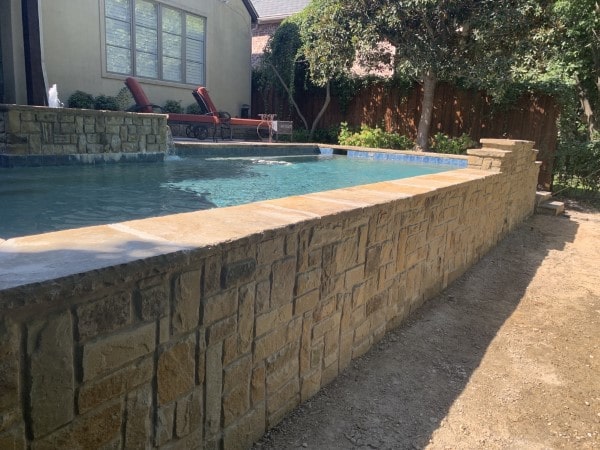
Commercial retaining walls play a crucial role in landscape engineering by providing essential support and stability to structures, preventing soil erosion, and managing water flow. As urban development continues to expand, the need for efficient and reliable retaining wall solutions becomes increasingly important. The construction of these walls requires a deep understanding of soil mechanics, engineering principles, and environmental considerations. With the right approach, commercial retaining walls can enhance both the functionality and aesthetic appeal of a property.
Understanding the Importance of Retaining Walls in Commercial Spaces
Retaining walls are integral to maintaining the structural integrity of commercial landscapes. They are designed to withstand lateral pressure exerted by soil, especially in areas with significant elevation changes. These structures are not only functional but also contribute to the visual appeal of a property.
- Prevents soil erosion and landslides.
- Enhances property value by adding aesthetic appeal.
- Facilitates the creation of usable land on sloped terrain.
- Improves water drainage and management.
For businesses looking to implement these structures, discover expert strategies here.
Types of Commercial Retaining Walls
Gravity Walls
Gravity walls rely on their massive weight to resist the pressure from behind. They are often constructed using concrete or stone and are suitable for areas where space is not a constraint.
Cantilevered Walls
These walls consist of a thin stem and a base slab, forming an L-shape. They use less material compared to gravity walls and are ideal for medium-height applications.
Sheet Pile Walls
Sheet pile walls are used in soft soil conditions and tight spaces. They consist of steel, vinyl, or wood planks driven into the ground to provide support.
Anchored Walls
When additional support is required, anchored walls are employed. They use cables driven deep into the soil to provide extra stability, making them suitable for high-load scenarios.
Each type of wall has its own set of advantages and limitations. To learn about our tailored solutions, consider the specific requirements and constraints of your property.
Design Considerations for Retaining Walls
Designing a commercial retaining wall involves careful planning and consideration of various factors:
- Soil Type: Understanding the soil composition is crucial for determining the appropriate wall type and construction method.
- Load Bearing: The wall must be designed to handle the expected load, including any additional weight from structures or vehicles.
- Drainage: Proper drainage systems must be integrated to prevent water buildup and pressure on the wall.
- Environmental Impact: The design should minimize disruption to the surrounding environment and adhere to local regulations.
- Aesthetic Design: The wall should complement the overall landscape design and enhance the property’s visual appeal.
For more detailed guidance, explore advanced guides and tips.
Maintenance and Longevity
Regular maintenance is vital to ensure the longevity and effectiveness of retaining walls. This includes:
- Inspecting for cracks or signs of wear and tear.
- Ensuring drainage systems remain clear and functional.
- Addressing any soil erosion or changes in the surrounding landscape.
- Conducting professional assessments periodically.
By adhering to these maintenance practices, commercial retaining walls can remain effective for decades. To find out more about this approach, consider consulting with landscape engineering professionals.
In conclusion, commercial retaining walls are indispensable in modern urban development, offering both functional and aesthetic benefits. With expert design and maintenance, these structures can significantly enhance the usability and value of commercial properties. For businesses seeking reliable and professional solutions, the integration of tailored retaining wall strategies is key to achieving sustainable and long-lasting results.