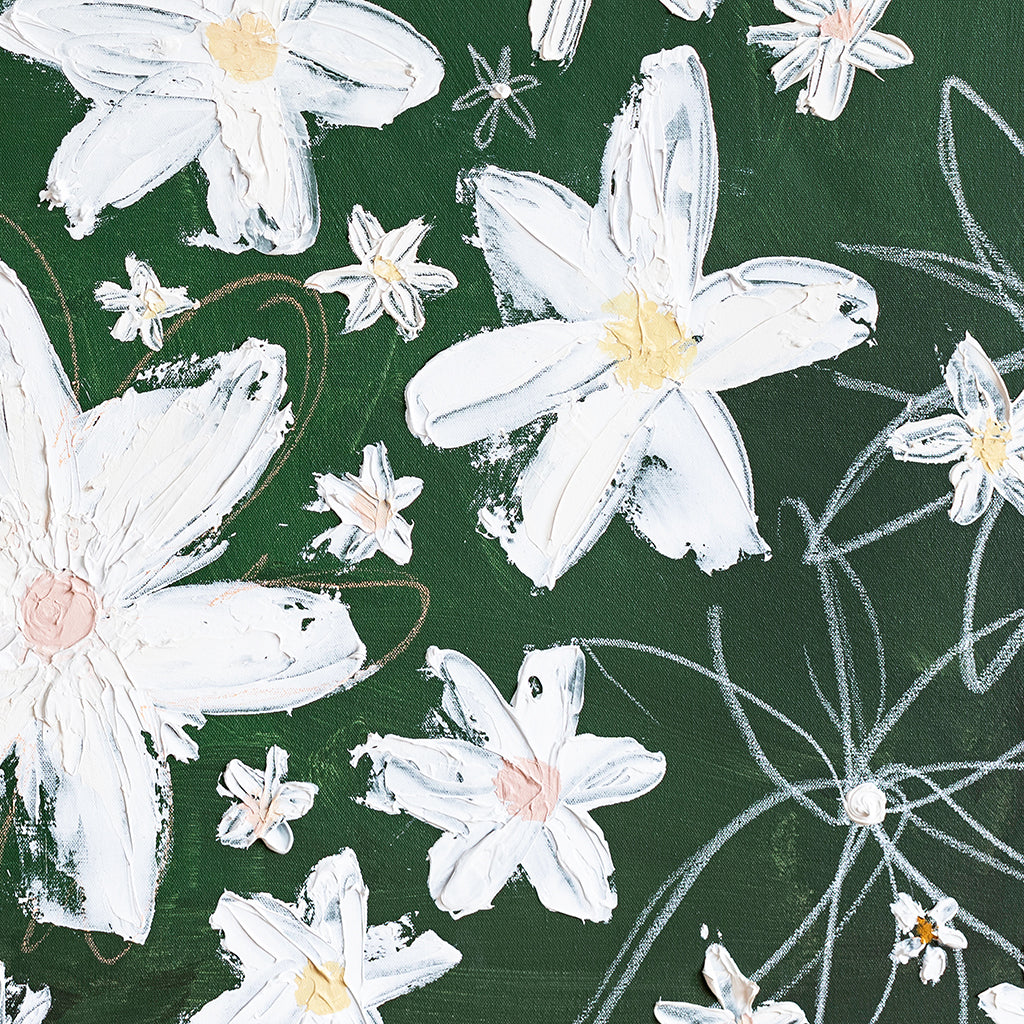
Creating a statement wall with textured art on canvas is an exquisite way to infuse personality and depth into any space. The unique characteristics of textured artwork not only draw the eye but also add a tactile dimension that flat art simply cannot achieve. Whether one is looking to revamp a living room, dining area, or office space, incorporating textured art can transform an ordinary wall into a captivating focal point. This guide explores the nuances of creating a statement wall, offering valuable insights into the selection, arrangement, and maintenance of textured artworks.
Selecting the Right Textured Art
Choosing the right textured wall art canvas is the first step in creating an impactful statement wall. Consider these factors when making a selection:
- Color Palette: Ensure the artwork complements the existing color scheme of the room. Textured pieces often have layered colors and tones, so identify a piece that harmonizes well with the surroundings.
- Size and Scale: The size of the canvas should be proportional to the wall space. Large walls may require oversize pieces or a series of smaller artworks to achieve balance.
- Style and Theme: The style of the artwork should reflect the desired mood of the room. Whether abstract, floral, or geometric, the choice should align with personal taste and the room’s function.
Arranging Textured Art Effectively
The arrangement of textured art can greatly influence its impact. Here are some tips for arranging textured canvases:
- Focal Point: Position the artwork at eye level to make it the focal point of the room. This ensures that it is easily noticeable and appreciated by viewers.
- Grouping and Spacing: When using multiple pieces, maintain consistent spacing to create a cohesive look. Consider a grid pattern or staggered arrangement for visual interest.
- Lighting: Proper lighting can enhance the texture and vibrancy of the artwork. Use spotlighting or track lighting to highlight the textured elements, adding depth and dimension.
Creating a Cohesive Design
To ensure the statement wall blends seamlessly with the rest of the decor, consider the following elements:
- Matching Accents: Incorporate decorative items, such as cushions or vases, that echo the colors or motifs of the artwork.
- Wall Color: A neutral wall color can make the textures and colors of the artwork stand out, whereas a bold wall color can complement and enhance the vibrancy of the piece.
- Furniture Placement: Arrange furniture to draw attention toward the statement wall, making it an integral part of the room”?s layout.
Maintaining Textured Art
Proper maintenance of textured art is essential to preserve its beauty and longevity. Here are some care tips:
- Dusting: Regularly dust the artwork with a soft, dry cloth to prevent the buildup of dirt and debris.
- Avoid Direct Sunlight: Prolonged exposure to direct sunlight can fade the colors and damage the texture. Position the artwork away from windows or use UV-filtering glass.
- Climate Control: Keep the artwork in a stable environment with consistent temperature and humidity levels to prevent warping or cracking.
The art of creating a statement wall with textured art on canvas involves careful selection, strategic arrangement, and diligent maintenance. By following these guidelines, one can transform any wall into a dynamic visual experience that not only enhances the aesthetic of the space but also reflects personal style and creativity. Explore the possibilities of textured wall art canvas and discover how it can elevate your interior design.