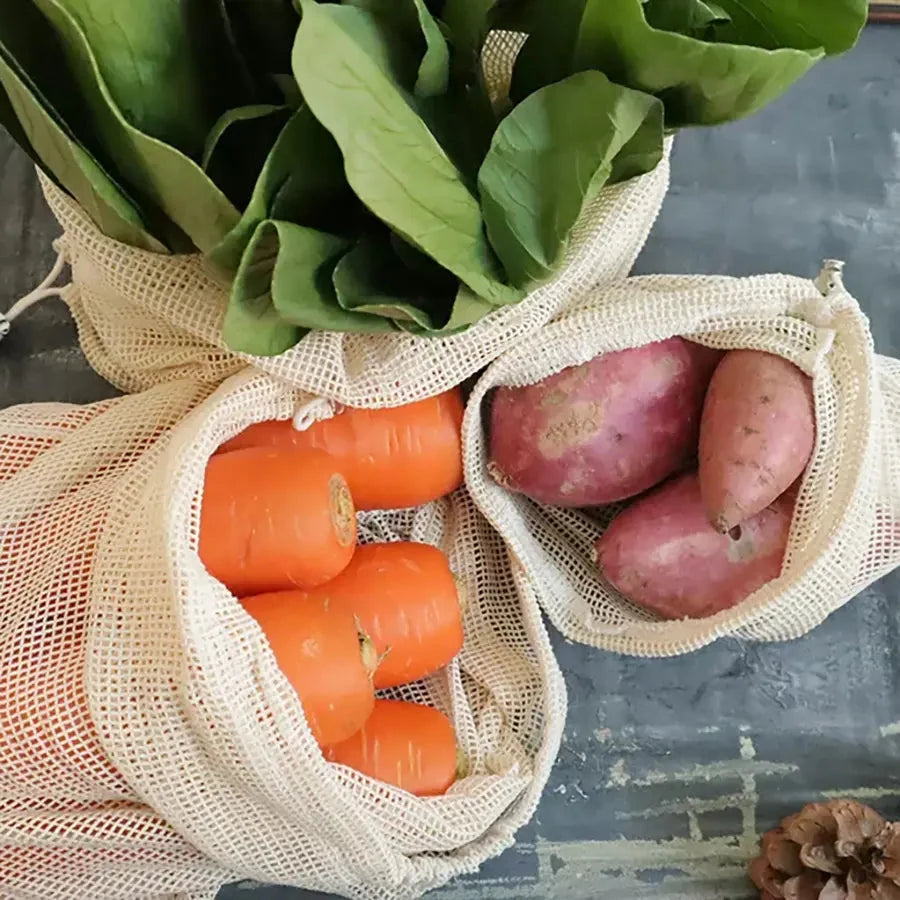
As the world becomes increasingly conscious of environmental impacts, the demand for sustainable solutions in everyday life continues to grow. Among the various initiatives to reduce carbon footprints and plastic waste, eco-friendly produce bags are emerging as a vital component of sustainable packaging. These bags not only serve as an alternative to single-use plastic bags but also contribute significantly to environmental conservation efforts. This article delves into why eco-friendly produce bags are considered the future of sustainable packaging, highlighting their benefits, types, and the role they play in creating a greener planet.
The Need for Eco-Friendly Produce Bags
Plastic pollution is a pressing global issue, with millions of tons of plastic waste ending up in landfills and oceans annually. Traditional plastic bags, commonly used for carrying produce, are a major contributor to this crisis. By switching to eco-friendly alternatives, significant strides can be made towards reducing this environmental burden.
- Plastic bags take hundreds of years to decompose, causing long-term environmental damage.
- Marine life is severely affected by plastic pollution, leading to disrupted ecosystems.
- Eco-friendly bags are made from biodegradable materials that decompose much faster.
Types of Eco-Friendly Produce Bags
Reusable Cotton Bags
Reusable cotton bags are a popular choice due to their durability and natural origins. These bags are made from organic cotton, reducing the reliance on synthetic materials.
- Long-lasting and can be washed and reused multiple times.
- Biodegradable and compostable at the end of their life cycle.
- Breathable material keeps produce fresh longer.
Mesh Produce Bags
Mesh produce bags are lightweight and easy to carry, offering another excellent option for carrying fruits and vegetables.
- Made from recycled materials, contributing to circular economy efforts.
- See-through design allows for easy identification of contents.
- Strong and durable, capable of holding substantial weight.
Bamboo Fabric Bags
Bamboo fabric bags are gaining popularity due to the sustainable nature of bamboo cultivation and its minimal environmental impact.
- Bamboo grows rapidly and does not require pesticides or fertilizers.
- Antibacterial properties keep produce cleaner and fresher.
- Soft and resilient, offering a comfortable carrying experience.
Benefits of Using Eco-Friendly Produce Bags
Adopting eco friendly produce bags presents numerous advantages beyond environmental conservation. They are a step towards a healthier, more sustainable lifestyle.
- Reducing Plastic Waste: Each eco-friendly bag used replaces hundreds of single-use plastic bags over time.
- Cost-Effective: Though initially more expensive, their reusability makes them a cost-efficient option in the long run.
- Supporting Sustainable Practices: Choosing eco-friendly options encourages businesses to adopt greener practices, influencing wider industry changes.
The Role in Sustainable Packaging
Eco-friendly produce bags are not just about replacing plastic. They are part of a broader movement towards sustainable packaging solutions that consider the entire lifecycle of a product.
- Encouraging Responsible Consumer Behavior: By choosing sustainable options, consumers can drive demand for environmentally friendly products.
- Reducing Carbon Footprint: Materials like bamboo and organic cotton have significantly lower carbon footprints compared to plastic.
- Promoting Ethical Production: Many eco-friendly bags are produced under fair trade conditions, supporting ethical labor practices.
In conclusion, the transition to eco-friendly produce bags is a crucial step in addressing the environmental challenges posed by traditional packaging materials. As awareness grows and more individuals embrace sustainable practices, the impact of these changes will become increasingly evident. For those seeking to make a positive difference, exploring the diverse range of eco-friendly produce bags available on the market is an excellent place to start.