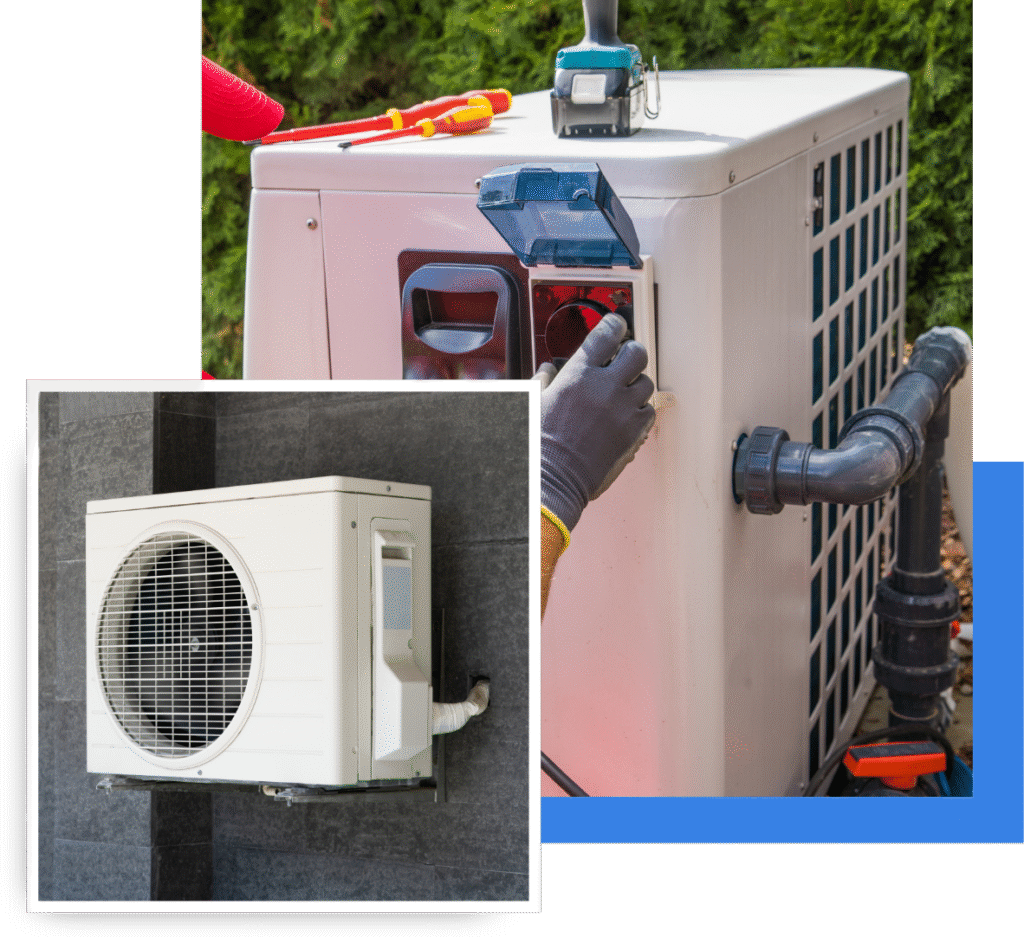
Heat pumps are a vital component of modern heating and cooling systems, offering an efficient solution for maintaining comfortable indoor climates across various seasons. Ensuring their optimal performance requires regular maintenance, which can extend their lifespan, enhance energy efficiency, and prevent costly repairs. This article outlines essential maintenance tips that every homeowner should consider to keep their heat pumps functioning smoothly year-round.
Regular Inspection and Cleaning
Regular maintenance begins with routine inspections and cleaning. A heat pump’s efficiency can significantly decrease if it is clogged with dirt and debris. It is essential to:
- Inspect the outdoor unit and remove any leaves, dirt, or debris that might obstruct airflow.
- Clean or replace air filters every one to three months to ensure unrestricted airflow and optimal indoor air quality.
- Check for any visible signs of wear or damage, such as frayed wires or leaks.
For more detailed guidance on maintaining clean and efficient heat pumps, explore advanced guides and tips.
Professional Servicing
While regular inspection by the homeowner is crucial, professional servicing at least once a year is vital for comprehensive care. A certified technician can:
- Conduct thorough system diagnostics and performance assessments.
- Check refrigerant levels and identify leaks that could impair efficiency and cause environmental harm.
- Calibrate the thermostat to ensure accurate temperature control.
Professional servicing plays a pivotal role in identifying potential issues before they escalate, which can be explored further by discovering expert strategies here.
Monitoring System Performance
Understanding Normal Operating Sounds
Recognizing normal operating sounds is crucial in identifying problems early. Homeowners should be attentive to changes in noise levels or new, unusual sounds, which can be indicative of underlying issues.
Learn about potential noise concerns and their implications by finding out more about this approach.
Checking System Settings
Keep a regular check on system settings to ensure they align with seasonal needs. Adjusting the thermostat and settings can result in better efficiency and comfort:
- Set the thermostat to a moderate and consistent temperature.
- Utilize programmable thermostats to automatically adjust temperatures during different times of the day.
For insights on how to optimize settings, learn about our tailored solutions.
Addressing Common Issues Promptly
Ignoring minor issues can lead to major malfunctions. Common problems that require immediate attention include:
- Unusual odors indicating possible mold or electrical issues.
- Inefficient heating or cooling, which might suggest problems with the compressor or refrigerant levels.
- Frequent cycling or inability to maintain the set temperature.
Promptly addressing these issues can prevent further damage and extend the system?s life. To understand more about handling specific problems, explore advanced guides and tips.
Maximizing Efficiency Through Seasonal Maintenance
Seasonal maintenance is crucial to adapt the heat pump?s performance to changing weather conditions. Key strategies include:
- Ensuring the outdoor unit remains clear of snow, ice, and fallen leaves during winter.
- Switching the system to cooling mode before the onset of summer to check operational readiness.
Seasonal maintenance ensures the system operates efficiently throughout the year. For a comprehensive approach to seasonal care, find out more about this approach.
By following these essential maintenance tips, homeowners can ensure their heat pumps deliver long-lasting performance and optimal energy efficiency. Regular upkeep not only enhances the system?s functionality but also contributes to a comfortable and sustainable living environment.