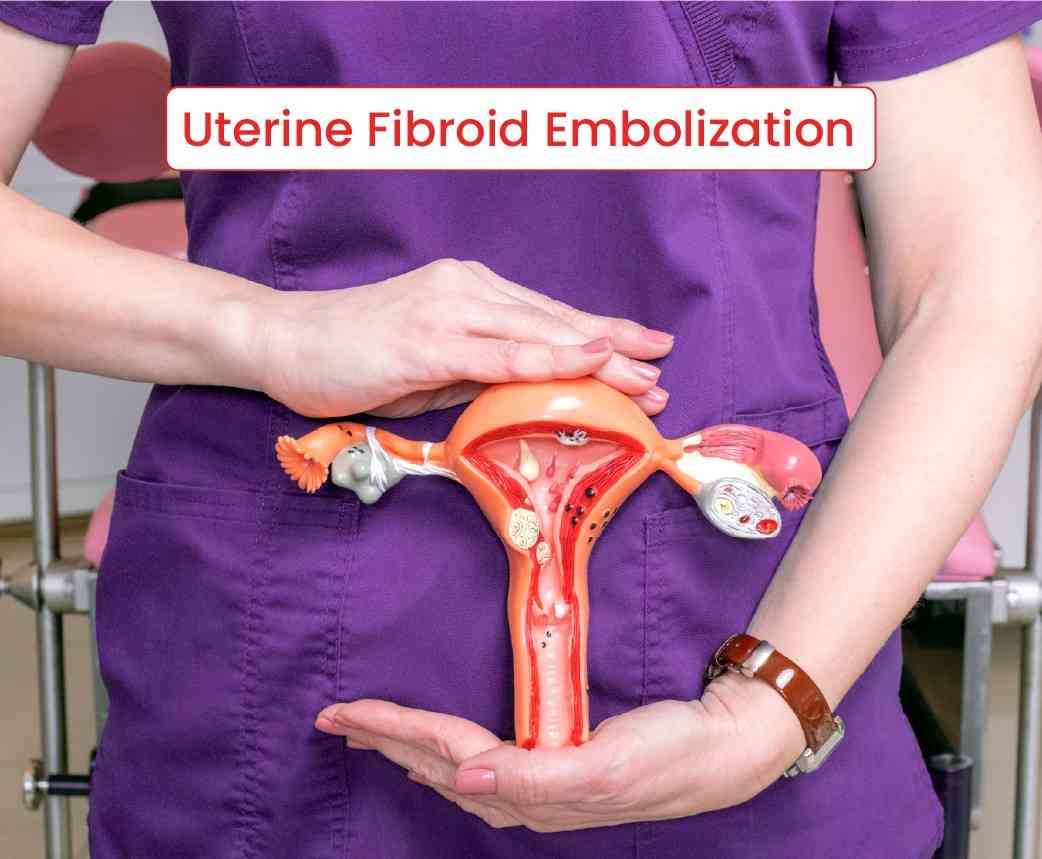
Uterine fibroids are non-cancerous growths of the uterus that often appear during childbearing years. While they are not associated with an increased risk of uterine cancer, they can cause significant discomfort and other complications, such as heavy menstrual bleeding, pelvic pain, and fertility issues. Traditionally, surgical options like hysterectomy and myomectomy have been the go-to solutions for managing fibroids. However, not everyone is a candidate for surgery or wishes to undergo an invasive procedure. Fortunately, there is a minimally invasive alternative known as Uterine Fibroid Embolization (UFE) that offers hope to many women seeking relief without the need for major surgery.
Understanding Uterine Fibroid Embolization
Uterine Fibroid Embolization is a non-surgical procedure that involves the use of imaging techniques to guide a catheter to the uterine arteries. This procedure aims to block the blood flow to the fibroids, causing them to shrink and eventually die.
How Does UFE Work?
The procedure is performed by an interventional radiologist who:
- Inserts a catheter through a small incision in the groin or wrist.
- Guides the catheter to the uterine arteries using fluoroscopic imaging.
- Injects small particles through the catheter to block the blood flow to the fibroids.
These particles are usually made from polyvinyl alcohol or similar materials, and their purpose is to create a blockage in the blood vessels feeding the fibroids, leading to their gradual shrinkage.
Benefits of Uterine Fibroid Embolization
UFE offers numerous advantages compared to traditional surgical methods:
- Minimally Invasive: The procedure requires only a small incision, reducing the risk of complications and promoting faster recovery.
- Preservation of the Uterus: Unlike hysterectomy, UFE preserves the uterus, which is particularly important for women who wish to maintain fertility.
- Shorter Hospital Stay: Most patients are discharged the same day or after an overnight stay.
- Quick Recovery: Many women return to normal activities within a week.
Potential Risks and Considerations
As with any medical procedure, UFE carries some risks. These may include:
- Post-Embolization Syndrome: Symptoms such as pain, fever, and nausea may occur shortly after the procedure but typically resolve within a few days.
- Infection: Although rare, there is a risk of infection at the incision site or within the uterus.
- Impact on Fertility: While UFE preserves the uterus, its effects on future fertility are still being studied.
It is crucial for patients to discuss their specific situations and concerns with their healthcare providers to make an informed decision.
Who is a Candidate for UFE?
Not all women with fibroids are suitable candidates for UFE. Ideal candidates typically include those who:
- Experience significant symptoms from fibroids, such as heavy bleeding or pain.
- Wish to avoid surgery or are not good candidates for surgical procedures.
- Do not plan to become pregnant in the future.
Conclusion
As the understanding and technology behind Uterine Fibroid Embolization continue to evolve, more women may find relief from fibroid symptoms through this innovative procedure. It offers a promising alternative to traditional surgery, with a focus on preserving the uterus and reducing recovery time. However, the decision to undergo UFE should be made in consultation with a healthcare provider, considering all potential benefits and risks.