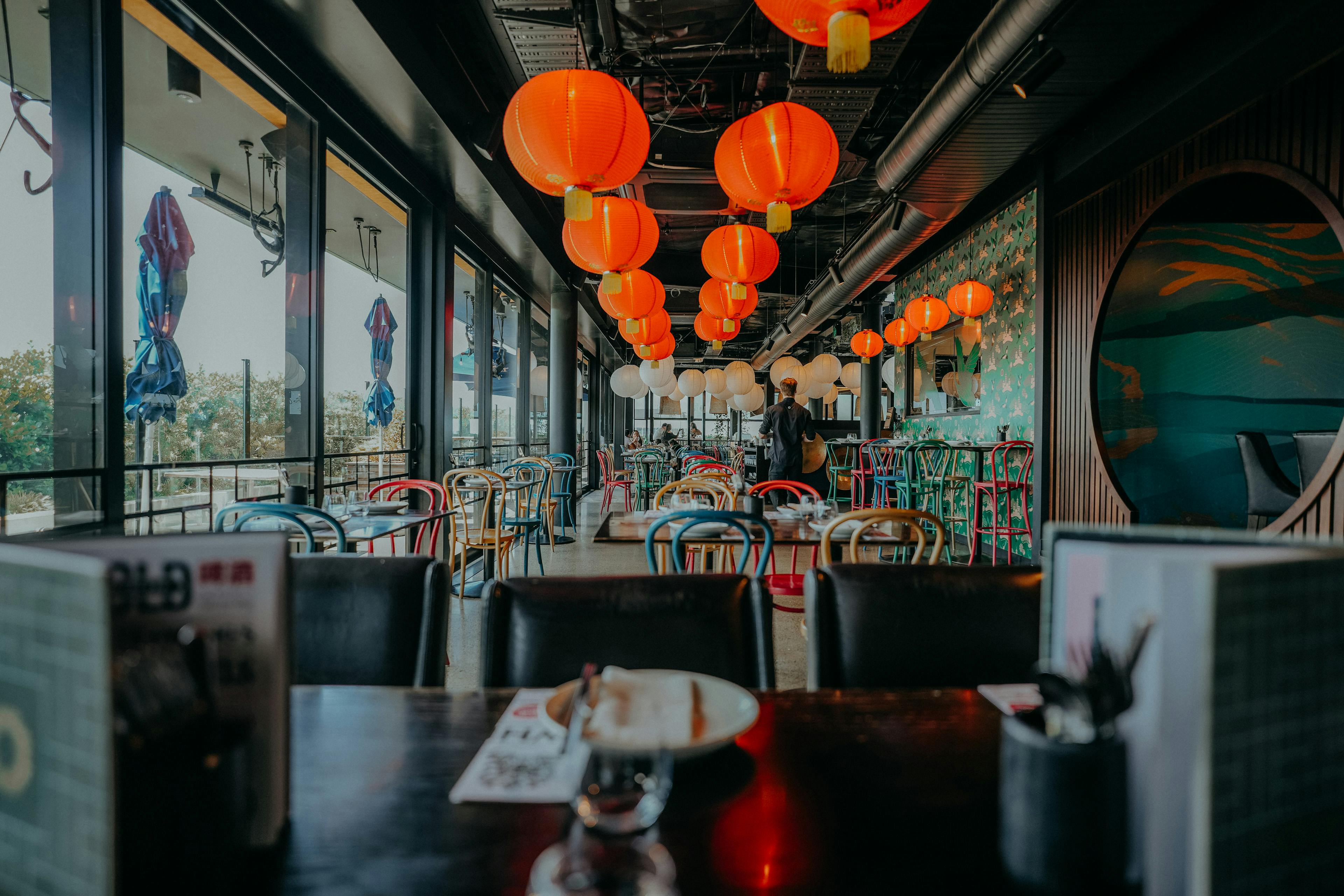
Hospitality interior design is an intricate art that merges aesthetics with functionality to create inviting and memorable environments. This discipline goes beyond mere decoration; it encompasses the strategic planning and execution of design elements to enhance guest experience while reinforcing brand identity. Professionals in this field must balance creativity and practicality, ensuring spaces are not only visually appealing but also efficient and comfortable for both patrons and staff. The following explores the essential components that constitute effective hospitality interior design.
Understanding the Core Elements
Successful hospitality interior design relies on several core elements that work in harmony to create a cohesive and engaging atmosphere. These elements include:
- Color Scheme: Colors set the tone and mood of a space. Different hues can evoke various emotions and reactions, impacting guest perceptions. A well-chosen color palette can enhance brand identity and ensure consistency across the hospitality space.
- Lighting: Lighting plays a critical role in creating ambiance. It affects how colors and textures are perceived and can highlight architectural features or design elements. Both natural and artificial light should be considered in the design process to ensure versatility and comfort.
- Furniture and Layout: The selection and arrangement of furniture must reflect the functional needs of the space while maintaining a sense of style and comfort. A layout that promotes easy navigation and accessibility is crucial for enhancing the guest experience.
- Materials and Textures: The use of diverse materials and textures can add depth and interest to a space. Mixing different materials like wood, metal, glass, and fabric can create a dynamic environment that feels both luxurious and welcoming.
For those interested in diving deeper into how these elements can transform hospitality spaces, read more about this topic.
The Importance of Functionality and Flow
While aesthetics are vital, functionality and flow are equally important in hospitality interior design. A well-designed space should facilitate an easy and enjoyable experience for guests, minimizing obstacles and maximizing convenience.
Key Considerations:
- Space Planning: Effective space planning involves arranging elements to optimize movement and interaction. This includes considering the placement of service areas, seating, and entry and exit points.
- Accessibility: Ensuring accessibility for all guests, including those with disabilities, is crucial. This involves designing spaces that are navigable and comfortable for everyone, adhering to relevant regulations and standards.
- Technology Integration: Modern hospitality environments often require seamless integration of technology, from lighting control systems to entertainment and connectivity options. This enhances the guest experience and operational efficiency.
To understand more about the integration of functionality in hospitality design, learn more in this detailed guide.
Creating an Emotional Connection
Hospitality spaces should evoke emotion and create memorable experiences. This connection can be achieved through thoughtful design that resonates with guests on a personal level.
Strategies for Emotional Engagement:
- Storytelling through Design: Every element of the design should contribute to a larger narrative that aligns with the brand’s values and story. This cohesive story can create a lasting impression on guests.
- Personalization: Offering unique, personalized experiences can enhance guest satisfaction. This can be achieved through customizable spaces or tailored services that cater to individual preferences.
- Cultural Influence: Reflecting local culture and heritage in design can create a sense of place and authenticity, enriching the guest experience.
For further insights into designing with emotional impact, explore further insights here.
The Role of Sustainability
Sustainability has become a critical consideration in hospitality interior design. Environmentally-conscious designs not only appeal to eco-aware guests but also contribute to long-term operational efficiency.
- Eco-friendly Materials: Using sustainable materials and resources reduces environmental impact and supports responsible sourcing practices.
- Energy Efficiency: Incorporating energy-efficient systems and technologies can significantly lower operational costs and reduce the carbon footprint.
- Waste Reduction: Design strategies that minimize waste, such as recycling and upcycling, contribute to sustainability goals.
For those interested in sustainable practices in hospitality design, find additional information here.