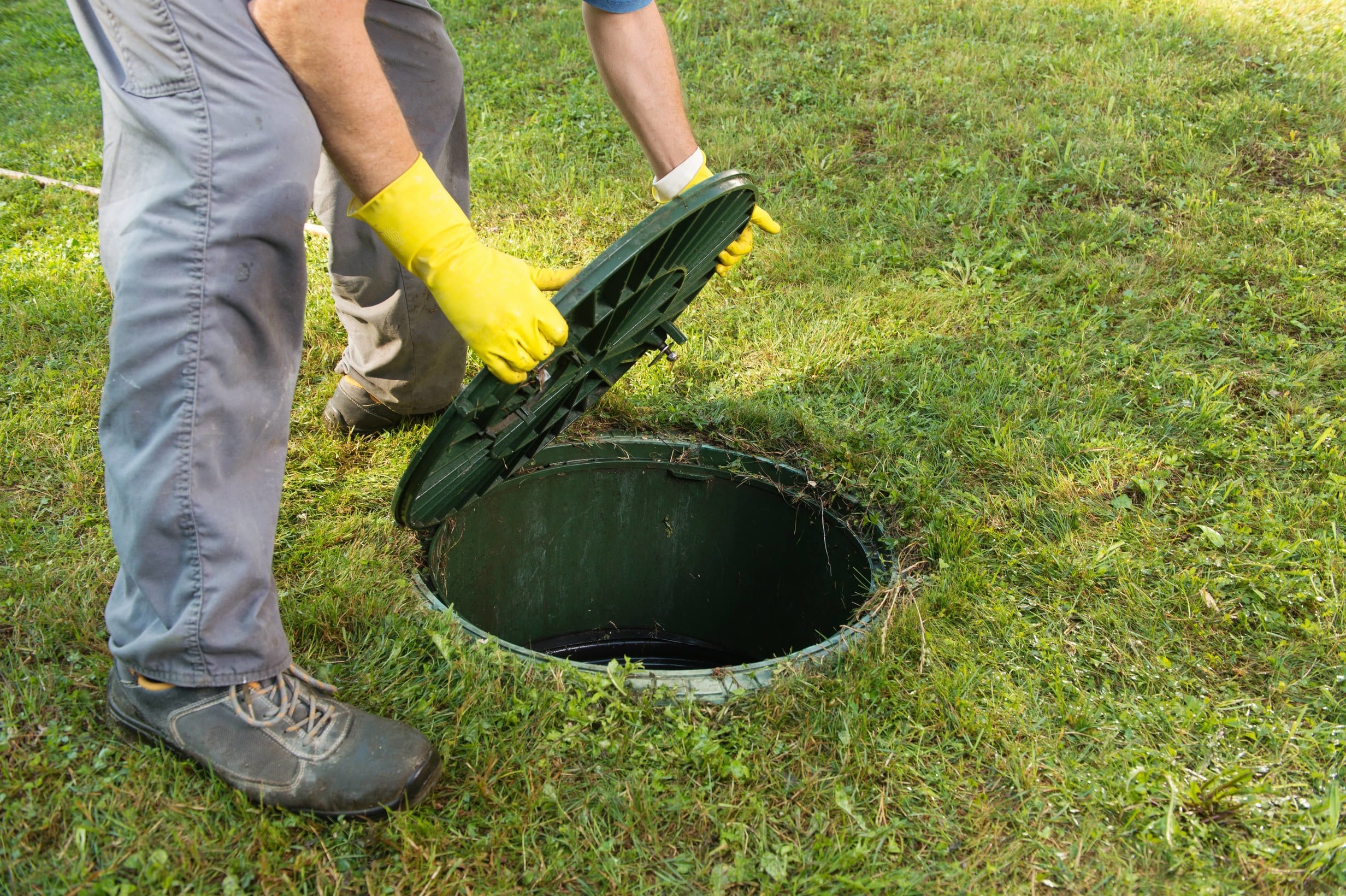
Preparing for a septic home inspection is a critical step in maintaining the health and functionality of a home’s wastewater management system. Whether buying a new property or ensuring the current system is efficient, understanding the process can save time and money while preventing future problems. A comprehensive inspection evaluates the condition of the septic system, identifying any potential issues that could lead to costly repairs down the line. By following a few key steps, homeowners can ensure that their system meets all regulatory standards and operates efficiently.
Understanding the Importance of Septic Inspections
Septic systems play a vital role in waste management for homes not connected to municipal sewage systems. Regular inspections help identify issues such as leaks, blockages, or system failures that could lead to environmental contamination or health hazards. To learn more about the importance of a septic home inspection?, consider consulting with experienced professionals who can provide thorough evaluations.
Preparing for the Inspection
Know Your System
- Familiarize yourself with the layout of your septic system, including the location of the tank and drain field.
- Gather any documents or records related to previous inspections, maintenance, or repairs.
- Understand the age and type of your system, as this can influence inspection criteria.
Clear Access
- Ensure that the septic tank and other components are easily accessible for the inspector.
- Remove any obstacles such as debris, plants, or structures that may hinder access to the system.
- Mark the locations of the septic tank lid and other components if they are not visible.
Pre-Inspection Maintenance
- Have the septic tank pumped if it hasn?t been done recently, as a full tank can impede a thorough inspection.
- Check for signs of trouble, such as slow drains, unpleasant odors, or sewage backups, and address these issues beforehand.
During the Inspection
During the inspection, the professional will assess the tank, pipes, and drain field to ensure they are functioning correctly. They’ll look for signs of damage, blockages, or leaks and verify that the system is compliant with current regulations. For more details on what the inspection entails, explore the guidelines provided by professionals specializing in septic home inspection?.
Post-Inspection Steps
Review the Report
- Examine the inspection report carefully to understand the condition of the septic system.
- Identify any recommended repairs or maintenance tasks and plan to address them promptly.
Customer Feedback
Customer satisfaction is crucial in maintaining service quality. For insights into the experiences of other homeowners, see what others are saying about us and how they benefited from professional septic inspections.
Conclusion
A well-maintained septic system enhances property value and ensures a safe, healthy living environment. Regular inspections are a proactive measure to prevent issues before they escalate. By understanding the inspection process and adequately preparing for it, homeowners can ensure their system’s longevity and efficiency. For those interested in learning more about the intricacies of septic inspections, consulting with specialists can provide invaluable guidance and support.