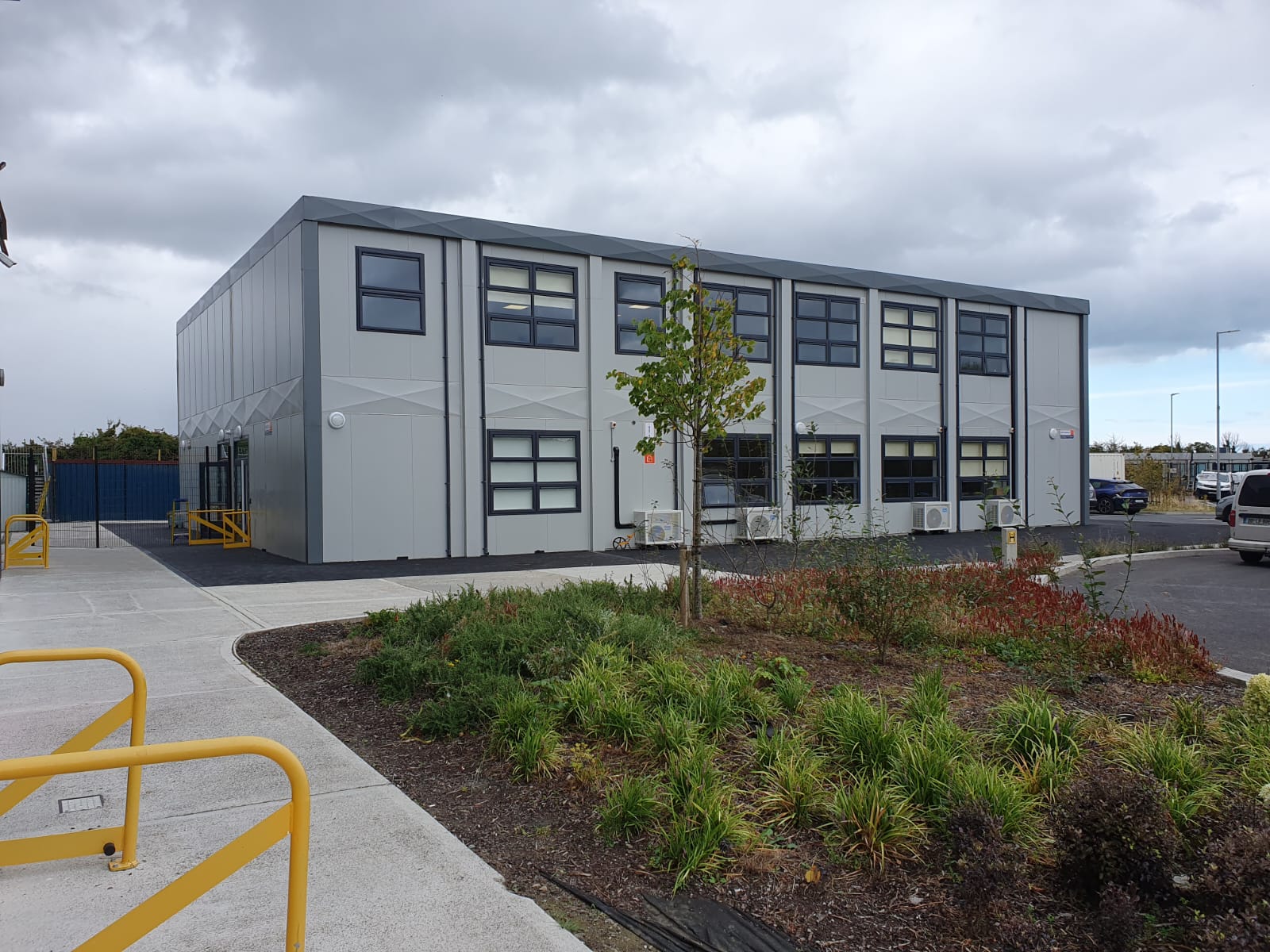
Offsite construction is revolutionizing the building industry by offering a streamlined approach to constructing buildings. This method involves the planning, design, fabrication, and assembly of building elements at a location other than the final construction site. As a result, it enhances efficiency, reduces waste, and minimizes the impact on the construction site. The increasing demand for faster and more cost-effective construction solutions has propelled offsite construction into the spotlight, making it an essential consideration for modern building projects.
Advantages of Offsite Construction
Offsite construction presents numerous benefits that are transforming the way buildings are conceived and constructed. These advantages include:
- Reduced Construction Time: The prefabrication of building components allows for simultaneous site preparation and construction, significantly cutting project timelines.
- Improved Quality Control: Controlled factory environments ensure higher quality standards and precision in construction elements, reducing errors and defects.
- Enhanced Sustainability: Offsite construction minimizes waste and enables the use of sustainable materials, contributing to eco-friendly building practices.
- Cost Efficiency: Streamlined processes and reduced labor costs help manage budgets more effectively.
- Safety Improvements: With more work conducted offsite, there are fewer safety risks associated with hazardous site conditions.
Applications of Offsite Construction
Offsite construction is versatile and can be applied across various building types and sectors. It is particularly beneficial in:
- Residential Buildings: Modular homes and apartments can be swiftly assembled, providing quick housing solutions.
- Commercial Structures: Prefabricated offices and retail spaces can be tailored to specific business needs.
- Healthcare Facilities: Rapid deployment of medical facilities is possible, especially crucial during emergencies.
- Educational Institutions: Schools and universities can benefit from the quick setup of classrooms and facilities.
To delve deeper into the practical applications and tailored solutions for different sectors, learn about our tailored solutions.
Challenges and Considerations
While offsite construction offers numerous benefits, there are challenges and considerations to address:
- Initial Planning: Thorough planning is crucial to ensure the seamless integration of offsite components with onsite construction.
- Transportation and Logistics: Moving large prefabricated elements requires careful logistical planning to avoid delays.
- Design Limitations: Certain architectural designs may be challenging to achieve with prefabricated components.
- Regulatory Compliance: Adhering to building codes and regulations is essential to ensure safety and legality.
For more expert insights and strategies to navigate these challenges, discover expert strategies here.
The Future of Offsite Construction
Offsite construction is set to play a pivotal role in the future of the construction industry. With advancements in technology and an increasing emphasis on sustainability, this approach is likely to become even more prevalent. Key trends to watch include:
- Integration of Smart Technologies: Incorporating IoT and smart building technologies into prefabricated structures.
- Increased Use of Renewable Materials: Emphasizing eco-friendly materials in the construction process.
- Expansion into New Markets: Offsite construction is gaining traction globally, opening new opportunities for growth.
To stay ahead of these trends and explore advanced guides and tips, explore advanced guides and tips.
Conclusion
Offsite construction is transforming the way buildings are designed and built, offering numerous advantages in terms of efficiency, quality, and sustainability. While challenges exist, the continued evolution of this method promises a more streamlined and innovative future for the construction industry. For those looking to embrace this approach or simply find out more about this approach, staying informed and adaptable is key to leveraging its full potential.