When it comes to home improvement, one area that often gets overlooked is the garage. Yet, this space can significantly impact energy efficiency and comfort within a household. One of the most effective ways to enhance the functionality of a garage is through overhead door insulation. This article explores the numerous benefits of insulating an overhead garage door, providing a comprehensive guide for homeowners looking to improve their property’s energy efficiency and comfort.
Understanding Overhead Door Insulation
Overhead door insulation involves adding a layer of insulating material to the garage door. This addition can help regulate temperature, reduce noise, and improve the overall energy efficiency of a home. Insulating a garage door can be achieved through various methods, including using garage door insulation kits or panels specifically designed for this purpose.
Types of Insulation Materials
- Polystyrene Panels: Known for their excellent thermal resistance, these panels are easy to install and provide a good level of insulation for garage doors.
- Polyurethane Foam: Offers superior insulation and is often used in insulated garage door systems for its high density and thermal efficiency.
- Reflective Foil: A lightweight option that reflects radiant heat, making it ideal for warmer climates.
The Benefits of Insulating Your Overhead Garage Door
Improved Energy Efficiency
One of the primary benefits of overhead door insulation panels is the improved energy efficiency they bring to a home. By minimizing heat transfer through the garage door, insulation helps maintain a more consistent indoor temperature, reducing the need for heating and cooling systems to work overtime.
Enhanced Comfort
Insulating a garage door can significantly enhance the comfort levels within a home. By regulating the temperature in the garage, the adjacent rooms also benefit from a more stable climate, making living spaces more comfortable throughout the year.
Noise Reduction
Garages often serve as multi-purpose spaces, from workshops to music studios. Insulation panels not only help with temperature control but also reduce noise transmission, providing a quieter environment inside and outside the garage.
Increased Durability
An insulated garage door is typically more durable than its non-insulated counterpart. The added layers of insulation offer structural support, reducing wear and tear over time and potentially extending the lifespan of the door.
Installation Considerations
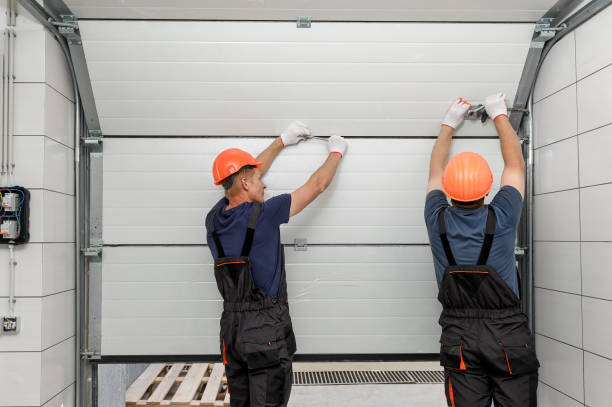
When considering the installation of insulation panels for garage door, it is essential to take into account the type of door and the climate in which the home is located. Professional installation may be advisable to ensure a perfect fit and optimal performance, although many DIY kits are also available for those who prefer a hands-on approach.
DIY vs. Professional Installation
- DIY Kits: Ideal for homeowners who are comfortable with basic tools and want a cost-effective solution. Kits typically include pre-cut panels and instructions for easy installation.
- Professional Installation: Offers the assurance of expert workmanship, ensuring that the insulation is installed correctly and efficiently.
Conclusion
Incorporating overhead door insulation into a home improvement plan can lead to significant long-term benefits, from energy savings to enhanced comfort and noise reduction. By understanding the options and considerations involved, homeowners can make informed decisions that contribute to a more energy-efficient and comfortable living environment.