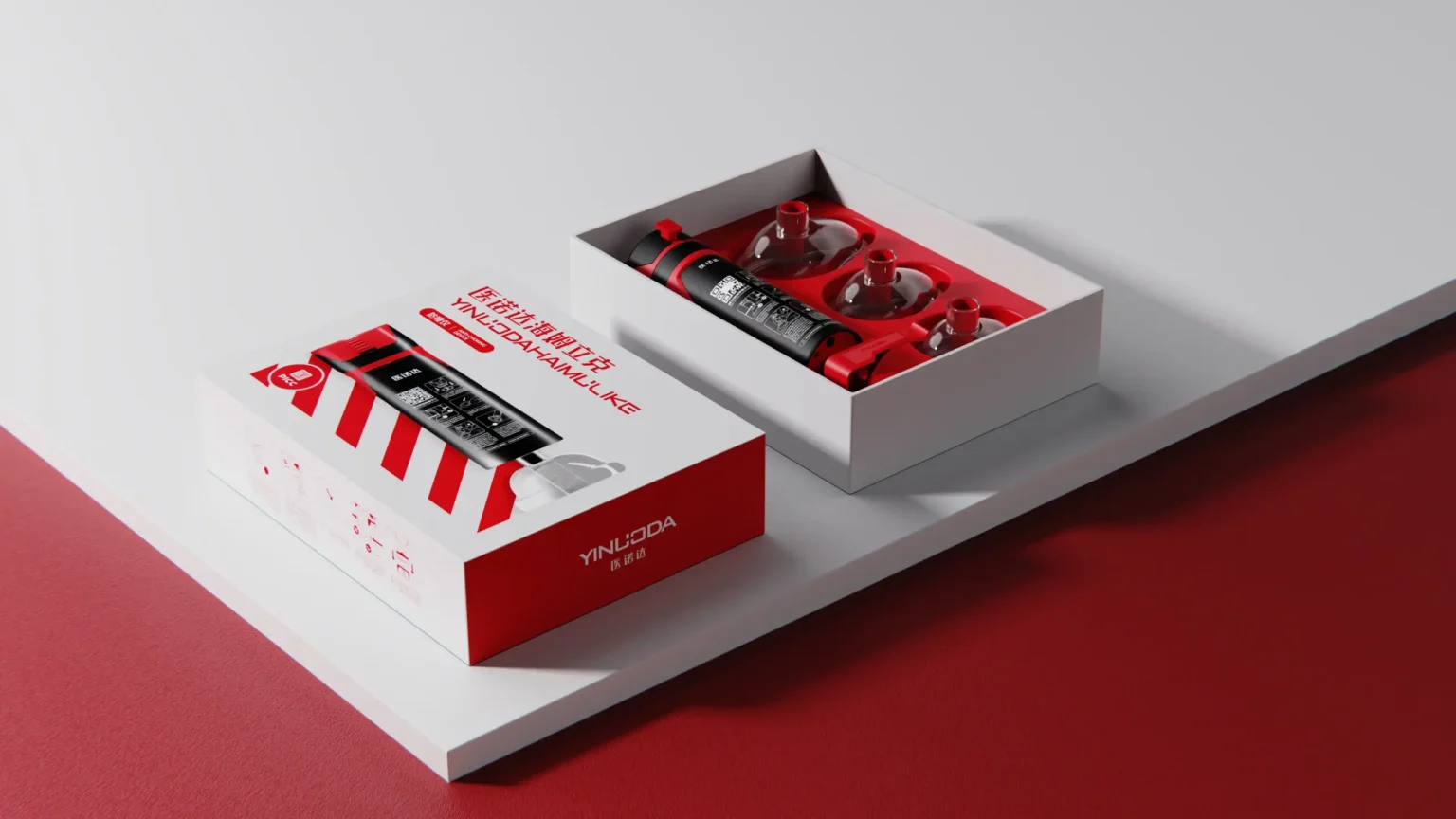
In today’s competitive market, the significance of product packaging design cannot be overstated. More than just a protective layer, packaging serves as a crucial touchpoint between the consumer and the product. It plays a pivotal role in shaping consumer perceptions, influencing buying decisions, and ultimately, impacting brand loyalty. Understanding the nuances of packaging design can therefore provide businesses with a significant advantage in capturing consumer attention and ensuring product success.
The Role of Packaging in Consumer Perception
Packaging is often the first interaction a consumer has with a product. As such, it serves as a silent ambassador for the brand. A well-designed package can convey the quality of the product, its intended use, and even its brand values. Here are some key ways packaging impacts consumer perception:
- Visual Appeal: The aesthetics of a package, including colors, fonts, and images, can attract the consumer’s eye and set the product apart from competitors. An attractive product packaging design can create a positive first impression.
- Functionality: Consumers appreciate packaging that is easy to open, use, and store. Functional design not only enhances user experience but also reinforces the perception of a thoughtful and customer-centric brand.
- Information Conveyance: Packaging should provide essential information about the product, such as usage instructions, ingredients, and benefits. Clear and concise labeling can build trust and inform purchasing decisions.
- Emotional Connection: Packaging that evokes emotions can create a memorable experience for consumers. Whether through storytelling or innovative design, emotional engagement can foster brand loyalty.
Trends in Packaging Design
Sustainability
Environmental consciousness is increasingly influencing consumer choices. As a result, sustainable packaging has become a significant trend. Consumers are more likely to support brands that demonstrate environmental responsibility through eco-friendly packaging materials and processes.
Minimalism
Minimalist design emphasizes simplicity and elegance, a trend that many consumers find appealing. The use of clean lines, limited color palettes, and ample white space can communicate sophistication and modernity.
Customization
Personalized packaging allows consumers to feel a deeper connection with a brand. Customization can range from personalized messages to tailored packaging designs that reflect individual preferences. This trend is particularly evident in beauty product packaging, where personal connection can significantly impact purchasing decisions.
The Impact of Technological Advances
Technology is revolutionizing packaging design across various industries. In the realm of industrial packaging design, technology enables innovative solutions such as smart packaging, which can provide real-time data about the product. Similarly, in electronic packaging design, technology allows for enhanced protection and aesthetic appeal, providing consumers with both functionality and visual satisfaction.
Conclusion
The impact of product packaging design on consumer perception is profound. As a critical element of the marketing mix, packaging not only influences purchasing decisions but also enhances brand recognition and loyalty. By understanding and leveraging design elements that align with consumer preferences, brands can create packaging that resonates with the target audience and stands out in a crowded marketplace. Whether through embracing sustainability, adopting minimalist aesthetics, or harnessing technological advancements, effective packaging design remains a cornerstone of successful product marketing.