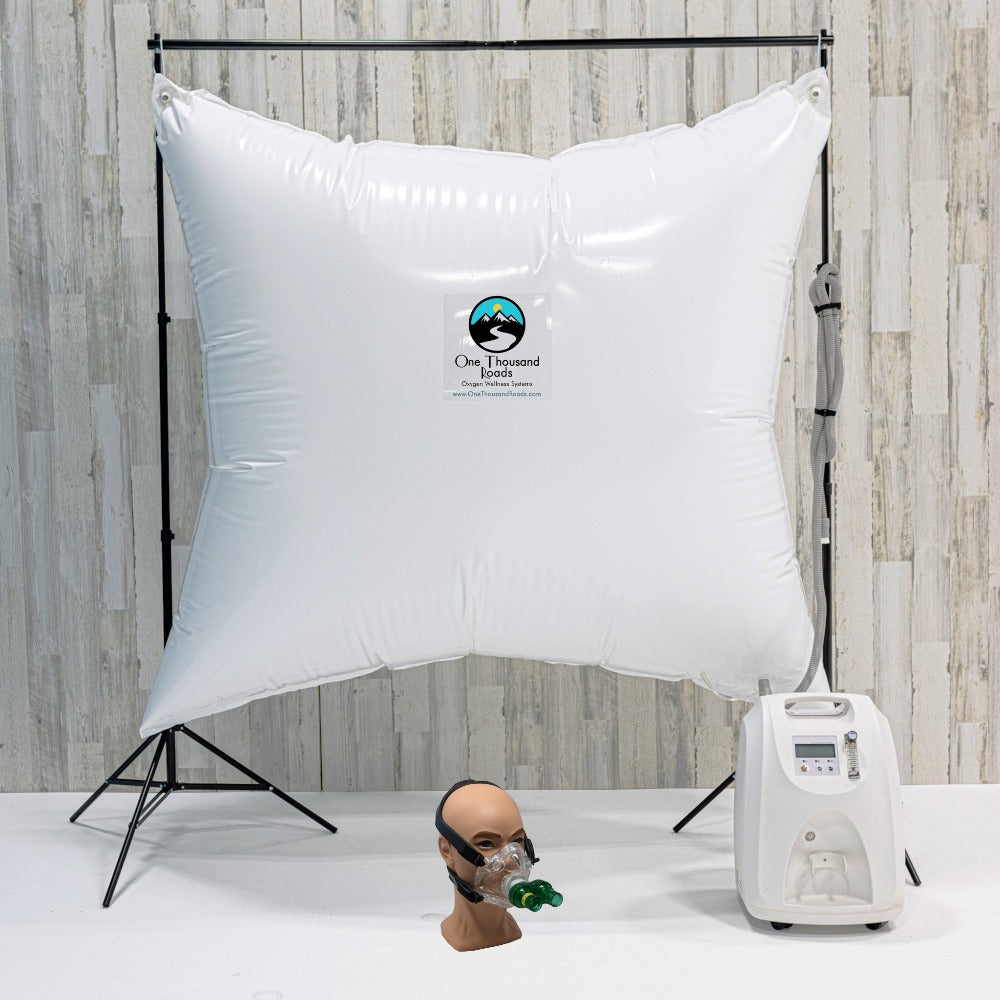
In recent years, hyperbaric oxygen therapy (HBOT) has gained widespread attention as a potential treatment for a variety of medical conditions. The underlying principle of HBOT involves the use of hyperbaric oxygen tanks to deliver oxygen at high pressures. This process allows for increased oxygen absorption by the body’s tissues, promoting healing and recovery. While the therapy is gaining popularity, understanding the science behind hyperbaric oxygen tanks is crucial for both practitioners and patients seeking to explore these innovative treatment options.
The Functionality of Hyperbaric Oxygen Tanks
Hyperbaric oxygen tanks are designed to create a controlled environment where the air pressure is higher than normal atmospheric pressure. The key elements involved include:
- Pressure Levels: Typically, the pressure inside the tank ranges between 1.5 to 3 times the normal atmospheric pressure, effectively increasing the amount of oxygen dissolved in the blood.
- Oxygen Concentration: Patients breathe 100% oxygen, contrasting with the 21% oxygen found in normal air.
- Session Duration: Treatment sessions usually last from 30 minutes to 2 hours, depending on the condition being treated.
With these components, hyperbaric oxygen tanks facilitate enhanced oxygen delivery to the body’s tissues, which can be particularly beneficial in conditions where oxygen supply is compromised. Discover expert strategies here.
The Physiological Impact of Hyperbaric Oxygen Therapy
Enhanced Tissue Oxygenation
One of the primary benefits of HBOT is its ability to significantly increase the amount of oxygen in the bloodstream. This elevated oxygen level helps to:
- Promote healing of wounds and infections by supporting the body’s natural repair mechanisms.
- Reduce swelling and inflammation, aiding in faster recovery from injuries.
- Enhance the function of white blood cells, boosting the immune response.
These physiological effects make HBOT a valuable tool in treating conditions such as chronic wounds, carbon monoxide poisoning, and decompression sickness. Find out more about this approach.
Neuroprotection and Cognitive Benefits
The benefits of hyperbaric oxygen therapy extend beyond physical healing. Research indicates that HBOT may have neuroprotective effects, potentially improving cognitive function and supporting brain health.
- It has been shown to enhance neuroplasticity, allowing the brain to repair and rewire itself more effectively.
- Patients have reported improved memory, attention, and overall cognitive performance following HBOT sessions.
These findings suggest that hyperbaric oxygen tanks may hold promise for individuals with neurological conditions such as traumatic brain injury and stroke. Explore advanced guides and tips.
Applications and Considerations
Medical Conditions Treated with HBOT
Hyperbaric oxygen therapy is utilized in the treatment of a wide range of medical conditions, including:
- Diabetic foot ulcers and other non-healing wounds
- Radiation injuries resulting from cancer treatments
- Burns and crush injuries
- Chronic infections, such as osteomyelitis
While HBOT offers promising outcomes, it is essential to consider individual patient needs and medical histories to determine the appropriateness of the therapy. Learn about our tailored solutions.
Potential Risks and Side Effects
As with any medical treatment, there are potential risks and side effects associated with hyperbaric oxygen therapy. These may include:
- Eardrum injuries due to pressure changes
- Temporary vision changes
- Oxygen toxicity at high pressures
To mitigate these risks, treatments should be conducted under the supervision of trained healthcare professionals who can monitor and manage any adverse effects.
In conclusion, the science behind hyperbaric oxygen tanks is grounded in the principles of increased oxygen delivery and enhanced tissue healing. By understanding the mechanisms and potential applications of HBOT, individuals can make informed decisions about incorporating this therapy into their healthcare regimen. Explore advanced guides and tips.