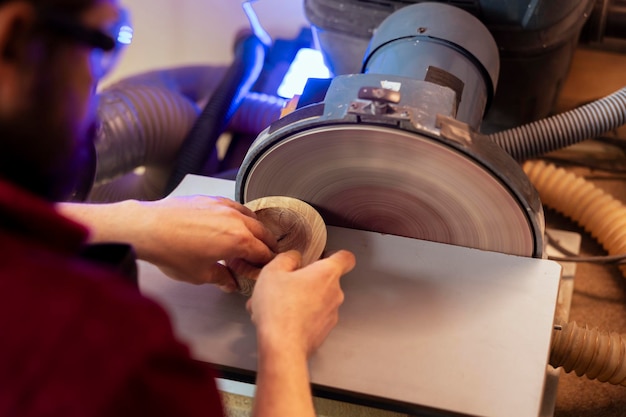
In the world of precision machining, selecting the right diamond grinding wheel is crucial for achieving the desired surface finish and dimensional accuracy. These wheels are essential tools in industries ranging from metalworking to electronics, used for grinding, cutting, and shaping hard materials. With a variety of options available, understanding the key factors that influence the performance and efficiency of a diamond grinding wheel can help users make informed purchasing decisions. This guide provides insights into the essential considerations for choosing the right wheel for specific applications, ensuring optimal performance and longevity.
Understanding Diamond Grinding Wheels
Diamond grinding wheels are a type of cutting tool that uses diamond grits to remove material from a workpiece. They are known for their durability and ability to grind materials that are extremely hard, such as ceramics, glass, and tungsten carbide. Here are some of the key features:
- Durability: The natural hardness of diamonds makes these wheels highly resistant to wear.
- Precision: Ideal for applications requiring high precision and fine finishes.
- Versatility: Suitable for a wide range of materials and applications.
Factors to Consider When Choosing a Diamond Grinding Wheel
1. Material Type
The type of material being worked on is a primary consideration. Diamond wheels are highly effective on hard materials, but it’s essential to match the wheel’s characteristics to the material to prevent premature wear. For instance, when working with ceramic materials, the wheel’s bond and grit size should be compatible to ensure efficient material removal.
2. Grit Size
Grit size determines the wheel’s cutting capability and surface finish. Finer grits (higher numbers) produce smoother finishes, while coarser grits (lower numbers) are suited for rapid material removal. Selecting the correct grit size involves balancing surface finish requirements with material removal rates.
3. Bond Type
The bond holds the diamond grits in place and affects the wheel’s performance and longevity. Common bond types include:
- Resin Bond: Provides a smooth finish and is suitable for precision grinding applications.
- Metal Bond: Offers excellent durability and is used for more aggressive grinding of hard materials.
- Vitrified Bond: Known for maintaining form and producing fine finishes in high-precision applications.
4. Wheel Shape and Size
Diamond grinding wheels come in various shapes and sizes, each designed for specific applications. Cylindrical, cup, and dish shapes are common, and the choice depends on the type of grinding operation. The wheel size should also match the machine’s specifications to ensure compatibility and safety.
5. Concentration
Concentration refers to the amount of diamond present in the wheel. Higher concentrations are used for more demanding applications, while lower concentrations may be sufficient for less intensive tasks. It’s important to select a concentration level that aligns with the material’s hardness and the desired grinding efficiency.
Maintenance and Care Tips
Proper maintenance extends the life of a diamond grinding wheel and ensures consistent performance:
- Regularly clean the wheel to remove debris and prevent clogging.
- Store wheels in a dry, temperature-controlled environment to avoid damage.
- Inspect wheels before each use for cracks or damage, replacing them if necessary.
Conclusion
Choosing the right diamond grinding wheel involves understanding the intricate balance between material properties, wheel characteristics, and application requirements. By considering factors such as material type, grit size, bond type, wheel shape, and concentration, users can select a wheel that delivers optimal performance and efficiency. Additionally, proper maintenance practices will ensure the longevity and reliability of the grinding wheel, ultimately contributing to the success of machining operations.