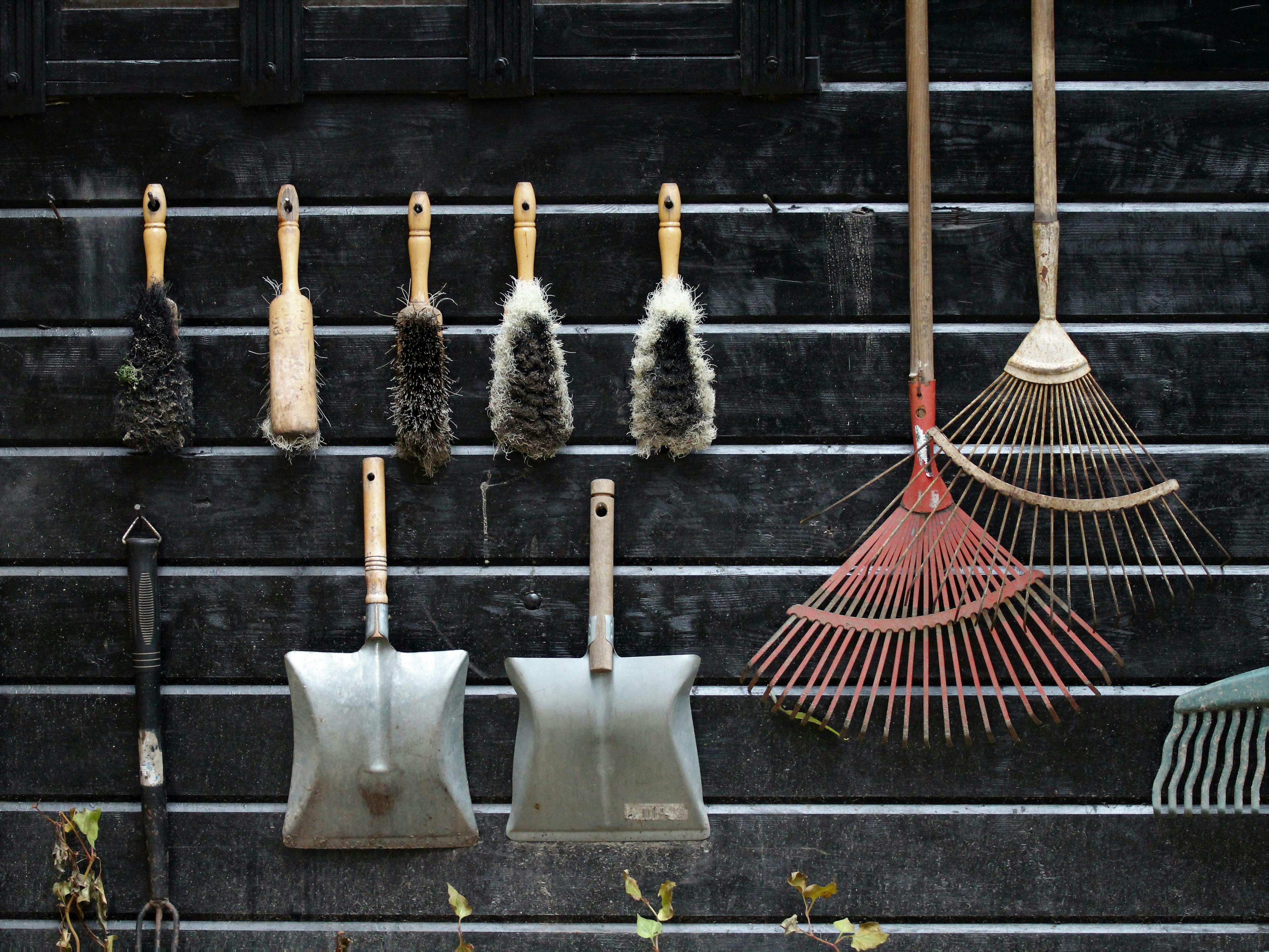
Landscaping projects, whether residential or commercial, often demand a wide array of specialized equipment. Investing in new machinery can be a costly endeavor, particularly for one-off projects or seasonal work. This is where rental equipment becomes an invaluable resource. Renting landscaping equipment offers flexibility, cost-effectiveness, and access to high-quality tools designed to achieve professional results. With the right selection of rental equipment, landscaping tasks can be completed efficiently and effectively.
Types of Landscaping Rental Equipment
Landscaping projects can vary widely in scope and requirements. Here are some of the most common types of equipment available for rent:
- Lawn Mowers: Ideal for maintaining large grassy areas. Available in various sizes and models, including ride-on and push mowers.
- Trenchers: Used for digging trenches for pipes, cables, or drainage systems. These machines are essential for laying groundwork in landscaping projects.
- Brush Cutters: Suitable for clearing overgrown areas with thick brush and small trees.
- Chainsaws: Necessary for cutting down trees or trimming large branches.
- Hedge Trimmers: Perfect for shaping and maintaining hedges and shrubs.
- Leaf Blowers: Useful for clearing leaves and debris from lawns, driveways, and patios.
- Mini Excavators: Versatile equipment for digging, grading, and demolition tasks in confined spaces.
For further information on selecting the appropriate equipment for your project, explore further insights here.
Benefits of Renting Landscaping Equipment
Renting equipment offers several advantages that can significantly impact the success of your landscaping project:
- Cost Efficiency: Renting eliminates the need for a significant upfront investment, allowing you to allocate financial resources to other critical areas of your project.
- Access to Latest Technology: Rental services typically offer the latest models equipped with advanced features, ensuring optimal performance and efficiency.
- Flexibility: Equipment can be rented for the exact duration needed, whether for a single day or several months. This flexibility accommodates fluctuating project timelines.
- No Maintenance Costs: Rental agreements often include maintenance services, reducing the burden of repair costs and equipment upkeep.
- Storage Solutions: Renting alleviates the need for long-term storage solutions, particularly for large or infrequently used equipment.
To understand more about the advantages of renting over purchasing, learn more in this detailed guide.
Choosing the Right Rental Service
Selecting a reliable rental service is crucial to ensure you receive high-quality equipment and excellent customer support. Consider the following factors when choosing a rental provider:
- Equipment Variety: Ensure the provider offers a comprehensive range of equipment to meet your specific needs.
- Quality and Condition: Verify that the equipment is well-maintained and in good working condition to avoid disruptions during your project.
- Customer Support: A provider with a responsive and knowledgeable support team can assist with equipment selection, delivery, and troubleshooting.
- Rental Terms: Review the rental agreement thoroughly to understand the terms, including costs, duration, and any maintenance obligations.
For additional information on selecting a rental service, find additional information here.
Conclusion
Renting landscaping equipment is a strategic decision that can enhance project outcomes while optimizing costs. By understanding the types of equipment available and the benefits of renting, landscaping professionals and enthusiasts alike can execute their projects with precision and efficiency. For those considering rental options, it is essential to choose a reputable service that aligns with project requirements and budget constraints. Read more about this topic to make informed decisions and achieve outstanding results in your landscaping endeavors.